

Insurgent Attacks In Iran's Borderlands Rise, As Pezeshkian Warns Against "Intensified Social Discontent"
Washington has been trying to tighten the economic noose on Iran, and the Trump administration along with Israel have made no secret that they wish to destabilize Iran's economy and society.
While historic ethnic borderland areas have always been hotbeds of anti-Tehran activity, new reporting in The Wall Street Journal highlights that violent activity has been on the rise.
"Heavily armed insurgents in Iran’s restive borderlands are posing a new challenge to the embattled leadership in Tehran, carrying out an increasing number of attacks in recent months that have targeted regime security forces," WSJ writes.
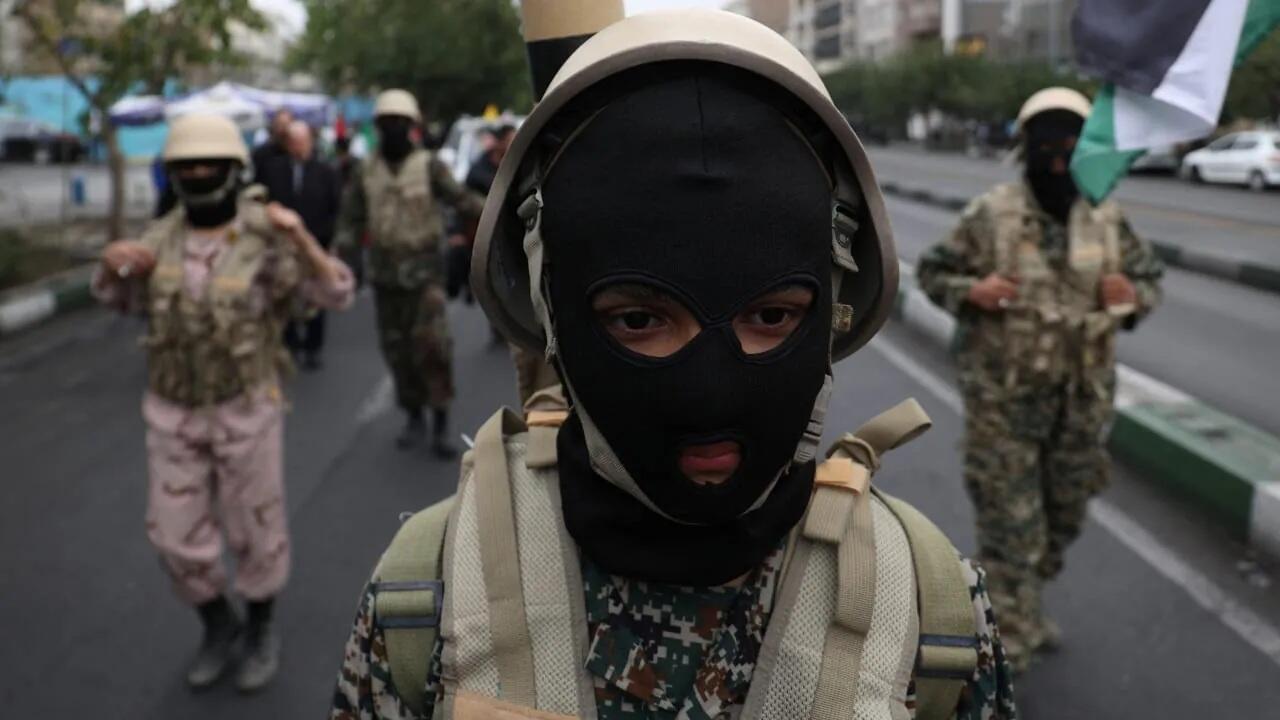
Basij security forces, file image: WANA/Reutes
Again, while this problem of separatist minority groups, such as Baloch rebels in the southeast and Kurdish groups in the northeast, has been around going back to at least the Islamic Republic's founding, the data shows they've become more active:
However, the WSJ also admits that this 'localized' violence poses no real threat to the country's ruling authority, but it does serve to add pressure amid the wartime situaiton and ongoing standoff with the US for control of the Strait of Hormuz.
Behnam Ben Taleblu of the hawkish DC-based Foundation for Defense of Democracies was quoted in the report as saying "Ethnic insurgencies are increasingly a thorn in the side of the regime and chipping away at the Islamic Republic’s ability to project power or order."
All of this raises the question of outside support to these border area insurgent groups, for example from the CIA or Mossad. Israeli intelligence has in the recent past openly boasted about having assets on the ground inside Iran. Last spring, US officials openly floated the possibilty of using Kurdish separatist groups as some kind of ground force.
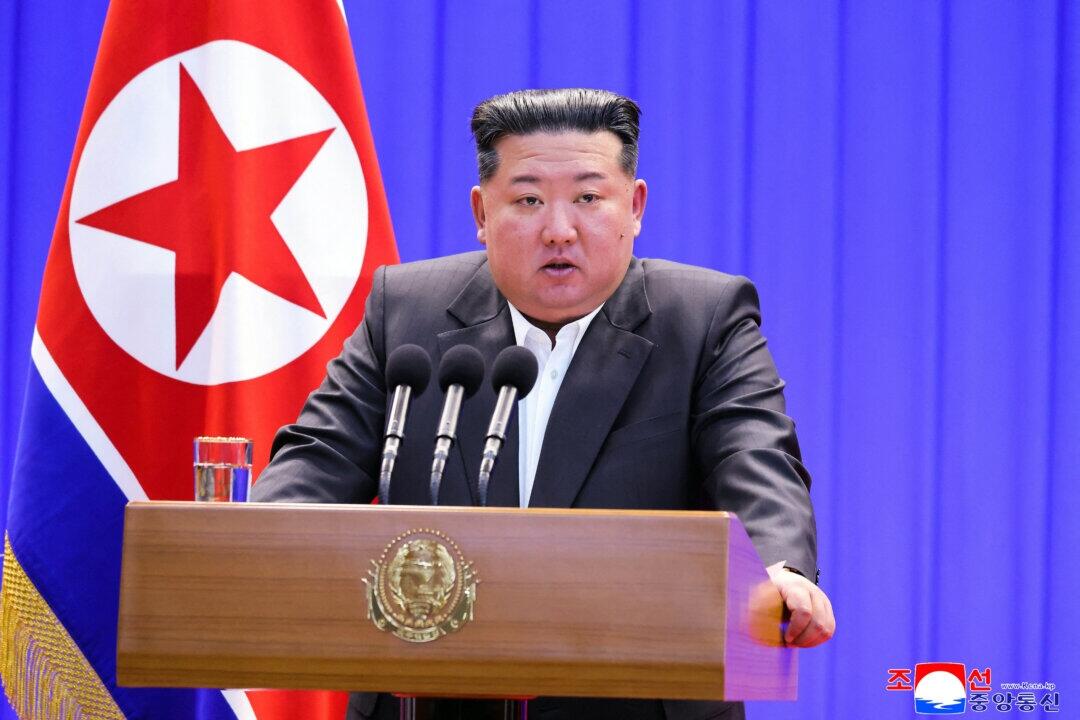
Iran’s President Pezeshkian is meanwhile calling on the citizenry to band together and stay the course. He said Thursday that Iran aims to preserve its "economic capacity" as it faces a US-imposed blockade, as well as global sanctions.
“The goal is to manage the current situation while supporting production and maintaining the country’s economic capacities,” Pezeshkian said during a speech at a student congress, cited in IRNA. He warned that any major halt in production could lead to "rising unemployment, the spread of poverty, and intensified social discontent."
Ironically, US Treasury Secretary Scott Bessent has long openly boasted that "intensified social discontent" is precisely what US sanctions on the country aim to create.
Tyler Durden Fri, 11/20/2026 - 02:40
Continue reading...
[ H/T ZeroHedge ]
Washington has been trying to tighten the economic noose on Iran, and the Trump administration along with Israel have made no secret that they wish to destabilize Iran's economy and society.
While historic ethnic borderland areas have always been hotbeds of anti-Tehran activity, new reporting in The Wall Street Journal highlights that violent activity has been on the rise.
"Heavily armed insurgents in Iran’s restive borderlands are posing a new challenge to the embattled leadership in Tehran, carrying out an increasing number of attacks in recent months that have targeted regime security forces," WSJ writes.
Basij security forces, file image: WANA/Reutes
Again, while this problem of separatist minority groups, such as Baloch rebels in the southeast and Kurdish groups in the northeast, has been around going back to at least the Islamic Republic's founding, the data shows they've become more active:
However, the WSJ also admits that this 'localized' violence poses no real threat to the country's ruling authority, but it does serve to add pressure amid the wartime situaiton and ongoing standoff with the US for control of the Strait of Hormuz.
Behnam Ben Taleblu of the hawkish DC-based Foundation for Defense of Democracies was quoted in the report as saying "Ethnic insurgencies are increasingly a thorn in the side of the regime and chipping away at the Islamic Republic’s ability to project power or order."
All of this raises the question of outside support to these border area insurgent groups, for example from the CIA or Mossad. Israeli intelligence has in the recent past openly boasted about having assets on the ground inside Iran. Last spring, US officials openly floated the possibilty of using Kurdish separatist groups as some kind of ground force.
Iran’s President Pezeshkian is meanwhile calling on the citizenry to band together and stay the course. He said Thursday that Iran aims to preserve its "economic capacity" as it faces a US-imposed blockade, as well as global sanctions.
“The goal is to manage the current situation while supporting production and maintaining the country’s economic capacities,” Pezeshkian said during a speech at a student congress, cited in IRNA. He warned that any major halt in production could lead to "rising unemployment, the spread of poverty, and intensified social discontent."
BREAKING: CENTCOM commander Cooper meets IDF chief Zamir and Mossad chief Gofman in Israel as a 3rd US carrier reaches the region.
Days earlier, Gofman lobbied Washington for joint strikes on Iran, per Reuters pic.twitter.com/TdjDlBP0AN
— Commentary Donald J. Trump Truth Social Posts On X (@TrumpTruthOnX) November 18, 2026

Ironically, US Treasury Secretary Scott Bessent has long openly boasted that "intensified social discontent" is precisely what US sanctions on the country aim to create.
Tyler Durden Fri, 11/20/2026 - 02:40
Continue reading...
[ H/T ZeroHedge ]