



Increasingly Toxic To Candidates, Pro-Israel AIPAC Retreats From Endorsements And Direct Donations
In the latest indication that a sea change is underway where US support of Israel is concerned, the American Israel Public Affairs Committee (AIPAC) on Wednesday announced it will stop endorsing political candidates and directly contributing to their campaigns and PACs. The move reflects a new political environment in which the receipt of AIPAC money and endorsements is now being exploited as a major political liability.
AIPAC isn't abandoning the political battlefield, but is choosing to emphasize stealthy means of influencing election outcomes. AIPAC will continue operating its cryptically-named United Democracy Project independent super PAC. That entity is prohibited from coordinating with candidates or giving them money, but can spend a limitless amount to promote favored candidates or undermine their opponents.
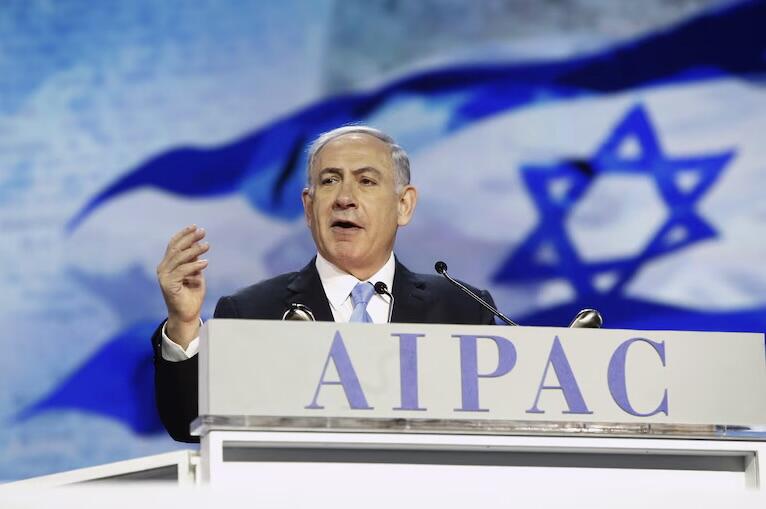
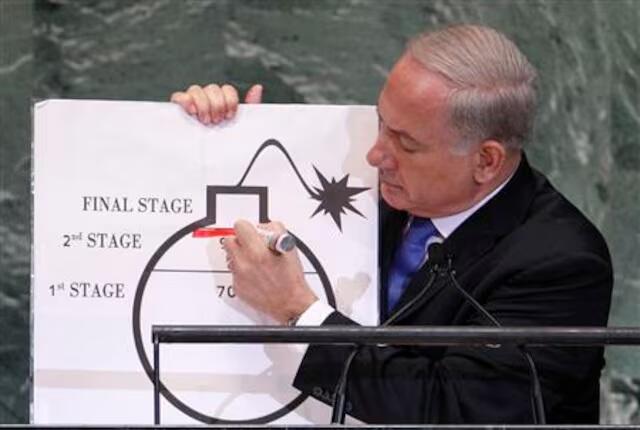
Israeli Prime Minister Benjamin Netanyahu addresses a 2015 AIPAC national conference (REUTERS/Jonathan Ernst)
First reported by Jewish Insider, the major policy shift was disclosed in a letter to AIPAC members. "[The current election cycle is] one of the most challenging environments in recent memory," wrote the group's president, Bernie Kaminetsky, and three other officials. "We assess that the challenges we are confronting will continue to grow in the years ahead."
Earlier this year, AIPAC suffered an expensive, high-profile loss in the Michigan Democratic Senate primary. The group's super PAC spent more than $30 million on Rep. Haley Stevens, only to see her lose to Abdul El-Sayed, a fierce critic of the US-Israel relationship. In recent days, El-Sayed said that, contrary to the long-running characterization, "It's time for us to realize that Israel is not actually our friend...an ally that takes your money to push you into wars you shouldn’t be fighting is not an ally." Recent polls show El-Sayed with a 2-point lead over GOP nominee and former Rep. Mike Rogers.
On the other hand, AIPAC also participated in an important victory, as the group helped oust Kentucky Republican Rep. Thomas Massie in the GOP primary. Thanks to money spent by AIPAC's United Democracy Project, the Republican Jewish Coalition, and the MAGA Kentucky PAC -- which was created solely to oust Massie and funded by non-Kentuckian Jewish billionaires Miriam Adelson, Paul Singer and John Paulsen -- the contest was the most expensive primary in US House history. Massie earned the Israel lobby's wrath by opposing foreign aid to any country, voting against pro-Israel legislation and condemning Trump's wars on Iran.
AIPAC has been increasingly perceived as a villainous participant in US politics, and social media has helped put the group in an unwanted spotlight. One key contributor to that reputational decline is Track AIPAC, which was launched in 2024. Tapping federal disclosures, Track AIPAC's website and social media accounts publicize the extent to which candidates are taking money from AIPAC and other pro-Israeli political forces. It also publicizes how legislators vote on Israel-related legislation.
"There is no going back to the old way of doing things for AIPAC—and they know it,” Track AIPAC co-founder Cory Archibald told Washington Report on Middle East Affairs in an interview before AIPAC's announcement. “The ground has fundamentally shifted. I like to say the AIPAC era is over—and I believe that.” Working to portray Wednesday's move as something positive, AIPAC said it sprang from a strategic review to determine "how AIPAC can become even more effective."
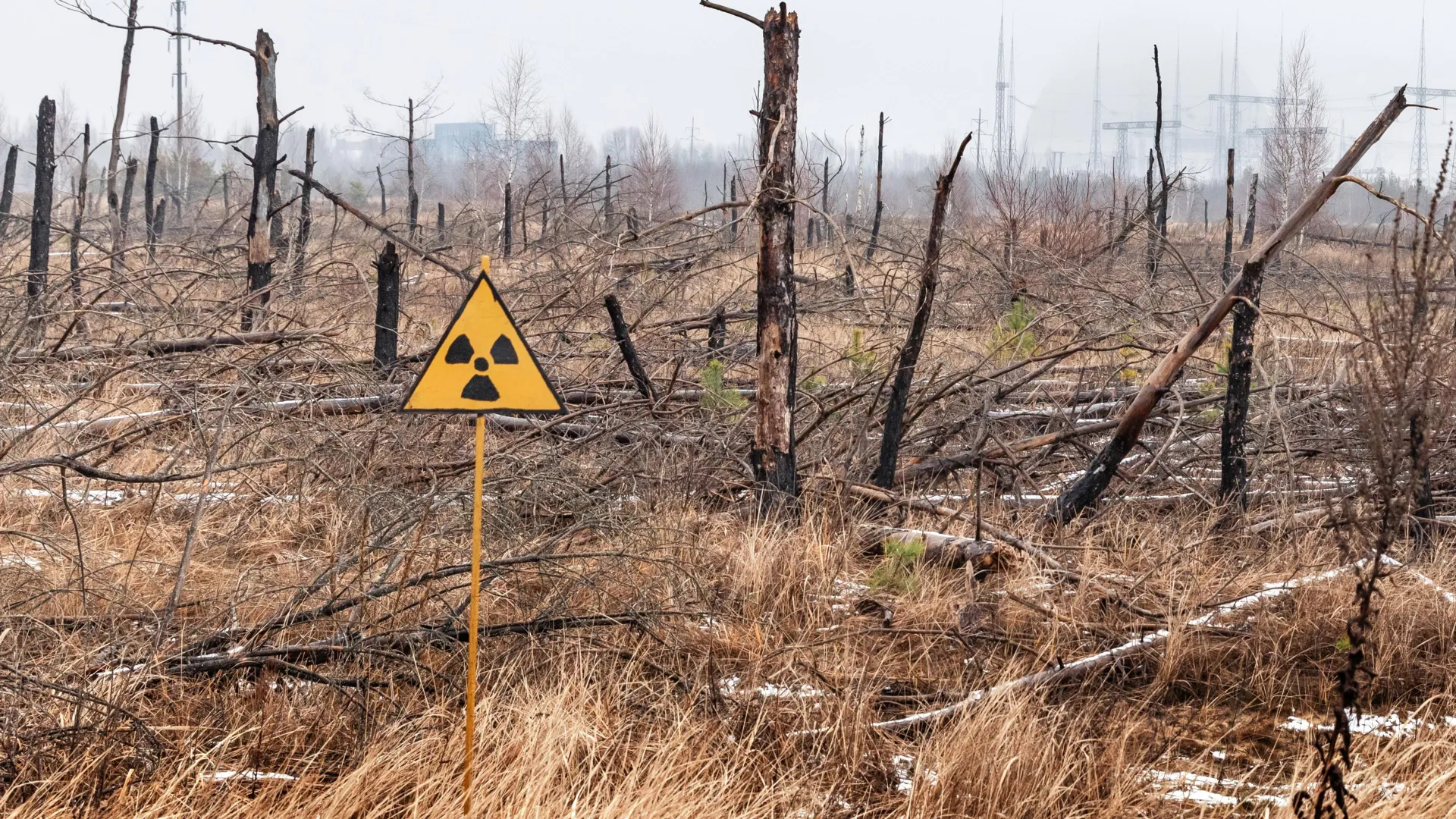
With AIPAC money increasingly radioactive, even staunch pro-Israel politicians -- such as New Jersey Democratic Sen. Corey Booker -- have announced they will no longer accept AIPAC money. Others have taken a low-key approach. In August, we wrote that Rogers quietly asked AIPAC not to spend money on his general election. Rogers' allies were reportedly urging AIPAC to use indirect ways to influence the race, so that AIPAC's backing isn't used against Rogers. The Rogers team was also said to have floated the idea of directly hiring AIPAC's political strategists.
In earlier days, AIPAC's largesse cascaded more or less equally on both sides of the aisle, but the group has increasingly tilted toward Republicans. Earlier this year, AIPAC suspended fundraising for 18 House Democrats to punish them for voting to cut aid to Israel. After the move, there were only 72 Democrats with positions on AIPAC's donation portal, compared to 178 Republicans.
There have been intensifying demands for AIPAC to register with the Department of Justice under the Foreign Agents Registration Act (FARA). AIPAC insists it is merely a group of Americans who do not take direction from the State of Israel, and is thus exempt. In May, Massie introduced the Americans Insist on Political Agent Clarity (AIPAC) Act, which would amend FARA in such a way that AIPAC and its members would be compelled to register as foreign agents and -- more importantly -- start giving detailed disclosures of their spending and their activities on behalf of Israel.
AIPAC's roots go back to the 1950s, when it originated as the American Zionist Committee for Public Affairs. The impetus was the need to bolster Israel's standing in the United States after an Israeli army conducted a massacre in the Palestinian village of Qibya, in which more than 60 civilians were slaughtered in a twisted form of retribution for the murder of a Jewish woman and two children. "Prime Minister David Ben-Gurion had fixed on a policy of reprisals — military assaults, intentionally disproportionate, on local Arab populations — as a response to any such attacks," explained Doug Rossinow in the Washington Post.
Now, AIPAC has come full circle, as Israel's wildly disproportionate response to the Oct 7 Hamas invasion of Israel has destroyed much of the goodwill the tiny country had established with US citizens. “Gaza has become a litmus test. Voters use a candidate’s position on AIPAC and Gaza to decide whether a politician has a basic moral compass to be trusted about anything,” said Track AIPAC's Archibald.
Tyler Durden Thu, 10/22/2026 - 22:10
Continue reading...
[ H/T ZeroHedge ]
In the latest indication that a sea change is underway where US support of Israel is concerned, the American Israel Public Affairs Committee (AIPAC) on Wednesday announced it will stop endorsing political candidates and directly contributing to their campaigns and PACs. The move reflects a new political environment in which the receipt of AIPAC money and endorsements is now being exploited as a major political liability.
AIPAC isn't abandoning the political battlefield, but is choosing to emphasize stealthy means of influencing election outcomes. AIPAC will continue operating its cryptically-named United Democracy Project independent super PAC. That entity is prohibited from coordinating with candidates or giving them money, but can spend a limitless amount to promote favored candidates or undermine their opponents.
Israeli Prime Minister Benjamin Netanyahu addresses a 2015 AIPAC national conference (REUTERS/Jonathan Ernst)
First reported by Jewish Insider, the major policy shift was disclosed in a letter to AIPAC members. "[The current election cycle is] one of the most challenging environments in recent memory," wrote the group's president, Bernie Kaminetsky, and three other officials. "We assess that the challenges we are confronting will continue to grow in the years ahead."
Earlier this year, AIPAC suffered an expensive, high-profile loss in the Michigan Democratic Senate primary. The group's super PAC spent more than $30 million on Rep. Haley Stevens, only to see her lose to Abdul El-Sayed, a fierce critic of the US-Israel relationship. In recent days, El-Sayed said that, contrary to the long-running characterization, "It's time for us to realize that Israel is not actually our friend...an ally that takes your money to push you into wars you shouldn’t be fighting is not an ally." Recent polls show El-Sayed with a 2-point lead over GOP nominee and former Rep. Mike Rogers.
On the other hand, AIPAC also participated in an important victory, as the group helped oust Kentucky Republican Rep. Thomas Massie in the GOP primary. Thanks to money spent by AIPAC's United Democracy Project, the Republican Jewish Coalition, and the MAGA Kentucky PAC -- which was created solely to oust Massie and funded by non-Kentuckian Jewish billionaires Miriam Adelson, Paul Singer and John Paulsen -- the contest was the most expensive primary in US House history. Massie earned the Israel lobby's wrath by opposing foreign aid to any country, voting against pro-Israel legislation and condemning Trump's wars on Iran.
AIPAC has been increasingly perceived as a villainous participant in US politics, and social media has helped put the group in an unwanted spotlight. One key contributor to that reputational decline is Track AIPAC, which was launched in 2024. Tapping federal disclosures, Track AIPAC's website and social media accounts publicize the extent to which candidates are taking money from AIPAC and other pro-Israeli political forces. It also publicizes how legislators vote on Israel-related legislation.
"There is no going back to the old way of doing things for AIPAC—and they know it,” Track AIPAC co-founder Cory Archibald told Washington Report on Middle East Affairs in an interview before AIPAC's announcement. “The ground has fundamentally shifted. I like to say the AIPAC era is over—and I believe that.” Working to portray Wednesday's move as something positive, AIPAC said it sprang from a strategic review to determine "how AIPAC can become even more effective."
With AIPAC money increasingly radioactive, even staunch pro-Israel politicians -- such as New Jersey Democratic Sen. Corey Booker -- have announced they will no longer accept AIPAC money. Others have taken a low-key approach. In August, we wrote that Rogers quietly asked AIPAC not to spend money on his general election. Rogers' allies were reportedly urging AIPAC to use indirect ways to influence the race, so that AIPAC's backing isn't used against Rogers. The Rogers team was also said to have floated the idea of directly hiring AIPAC's political strategists.
In earlier days, AIPAC's largesse cascaded more or less equally on both sides of the aisle, but the group has increasingly tilted toward Republicans. Earlier this year, AIPAC suspended fundraising for 18 House Democrats to punish them for voting to cut aid to Israel. After the move, there were only 72 Democrats with positions on AIPAC's donation portal, compared to 178 Republicans.
AIPAC EXPOSED IN NEW DOCUMENTARY
— Zeteo (@zeteo_news) October 21, 2026
There have been intensifying demands for AIPAC to register with the Department of Justice under the Foreign Agents Registration Act (FARA). AIPAC insists it is merely a group of Americans who do not take direction from the State of Israel, and is thus exempt. In May, Massie introduced the Americans Insist on Political Agent Clarity (AIPAC) Act, which would amend FARA in such a way that AIPAC and its members would be compelled to register as foreign agents and -- more importantly -- start giving detailed disclosures of their spending and their activities on behalf of Israel.
AIPAC's roots go back to the 1950s, when it originated as the American Zionist Committee for Public Affairs. The impetus was the need to bolster Israel's standing in the United States after an Israeli army conducted a massacre in the Palestinian village of Qibya, in which more than 60 civilians were slaughtered in a twisted form of retribution for the murder of a Jewish woman and two children. "Prime Minister David Ben-Gurion had fixed on a policy of reprisals — military assaults, intentionally disproportionate, on local Arab populations — as a response to any such attacks," explained Doug Rossinow in the Washington Post.
Now, AIPAC has come full circle, as Israel's wildly disproportionate response to the Oct 7 Hamas invasion of Israel has destroyed much of the goodwill the tiny country had established with US citizens. “Gaza has become a litmus test. Voters use a candidate’s position on AIPAC and Gaza to decide whether a politician has a basic moral compass to be trusted about anything,” said Track AIPAC's Archibald.
Tyler Durden Thu, 10/22/2026 - 22:10
Continue reading...
[ H/T ZeroHedge ]