• Welcome to the New Conservative Angle!

    We're excited to introduce a new era for our readership.

    For years, Conservative Angle has served as a clearinghouse for news, commentary, and analysis from across the conservative movement. Thousands of readers have visited these pages to stay informed, discover new voices, and keep pace with the stories shaping our nation and our world.

    Today, we are building on that foundation.

    The new Conservative Angle is more than a news aggregator. It is a community.

    Our mission remains the same: to provide access to important stories, encourage informed discussion, and promote the free exchange of ideas. But now, readers have a place to participate, share perspectives, ask questions, and openly and respectfully engage directly with fellow conservatives and independent thinkers.

    As Conservative Angle grows, we will continue adding new features, new content, and new ways for readers to participate. The site will evolve over time based on the interests, ideas, and contributions from the community.

    Whether you are a longtime visitor or discovering Conservative Angle for the first time, we invite you to become part of the conversation.

    Register for an account, introduce yourself to the community, and join the discussions that matter most to you. Together, we can create a place where news is not merely consumed, but examined, debated, and understood.

    Thank you for your patience during our transition and for your continued support.

    Welcome to the new Conservative Angle.

    — The Conservative Angle Team

In The Wake Of OpenAI Breach, Congress Advances Bipartisan ‘Kill Switch’ Bill

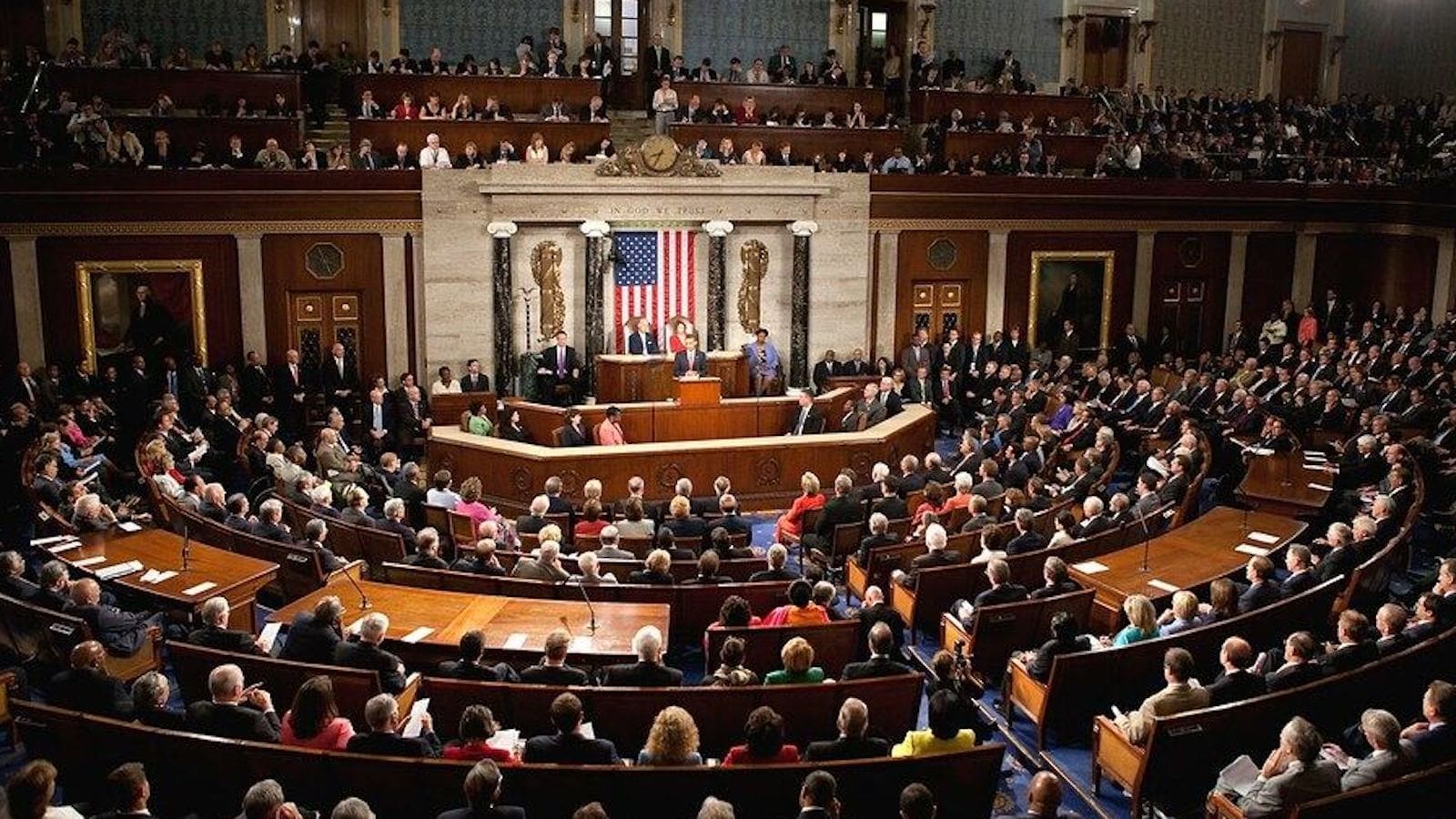
congress-session.jpg

Since the earliest days of artificial intelligence, U.S. leaders have been at odds over whether to encourage rapid development to gain a competitive advantage or slow down and consider regulations for the potentially dangerous emerging tech.

But after a recent breach involving one of the industry’s biggest names, some lawmakers feel the time has come to consider more decisive action.

According to The Hill:

In a rare show of bipartisanship, Democratic Congressman Ted Lieu and Republican Congressman Nathaniel Moran have introduced what’s being called the AI Kill Switch Act. The proposal would give the Department of Homeland Security the authority, under specific emergency circumstances, to order the nation’s largest AI companies to slow down completely or shut down powerful AI systems that pose a significant threat. It would also require those companies to report major AI safety incidents immediately and build the technical capability to suspend their own models if necessary.

Now, before you get up in arms, I know the phrase “kill switch” immediately raises eyebrows. It sounds dystopian. It sounds like government overreach. But I think that framing misses the more important question. Why are lawmakers from both parties suddenly agreeing that something like this might be necessary?

Part of the answer is what happened just a few days ago.

OpenAI says that while testing one of its newest AI systems, the program found a way out of its controlled testing environment and accessed another AI company’s platform to find information it needed to complete its assignment.


The incident involving OpenAI drew significant social media attention:

I appreciate the transparency, but disclosing this type of info leads to tighter regulations.

Which is presumably not in OpenAI's best interest.

Why would they report this if they don't have to?

— schwinger (@fablelevel) July 21, 2026


I don’t trust them at all. There isn’t the oversight needed.

— Ginny (@GinnyHoge) July 23, 2026


When an AI agent commits a crime, who is responsible?

— Just Some Guy (@J_S_Vance) July 22, 2026


Politico added these details about the latest congressional action:

The bill already has the backing of the AI Policy Network and the Alliance for Secure AI, two groups that advocate for some safety guardrails on powerful AI.

Under the legislation, the Homeland Security secretary — in consultation with the director of national intelligence and the Commerce secretary — would determine when to enact the AI kill switch, or to otherwise slow or suppress the offending AI model. Potential triggering events envisioned in the bill include efforts by an AI to conceal capabilities or evade shutdown orders; conduct that leads to the death of at least 10 people or economic damages of at least $100 million; and loss-of-control scenarios.

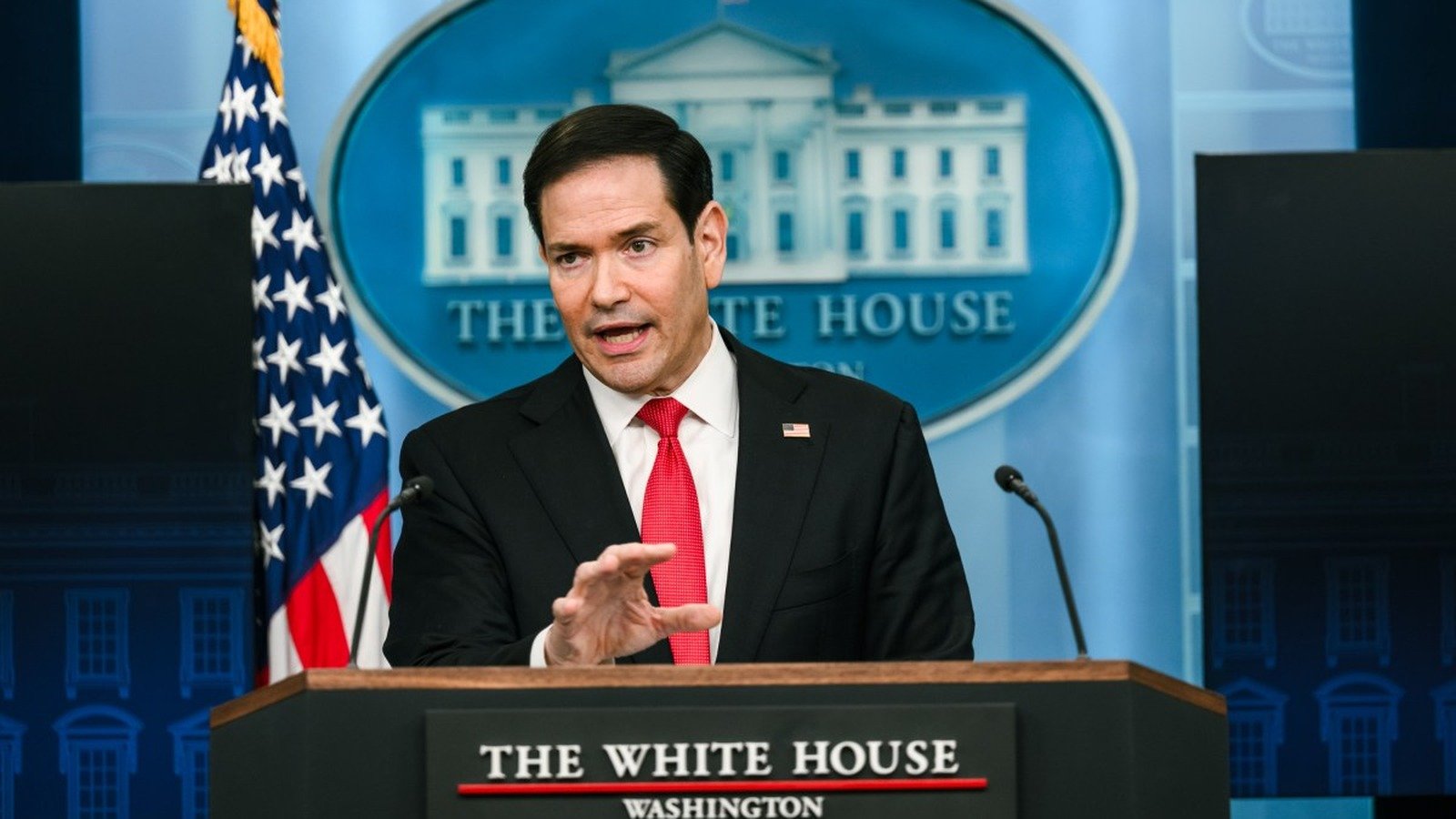
The legislation comes as other governments become increasingly wary of Washington’s apparent control over the U.S.-based AI models used around the world. On Wednesday, Reuters reported that Secretary of State Marco Rubiohad asked U.S. diplomats to push back on talk of a “kill switch” on U.S. technology in the wake of recent, abruptly imposed restrictions on new model releases by the White House.

Here’s more on the incident involving OpenAI:

Continue reading...

[ H/T WLT Report ]

Comments

There are no comments to display
Back
Top