The Pentagon is expanding the U.S. military’s multifront war against drug cartels in South America.
For more than a year, the U.S. military has been blowing up alleged drug boats on both sides of the continent. Forces have also begun interdicting refueling vessels off the coast of Ecuador before destroying them.
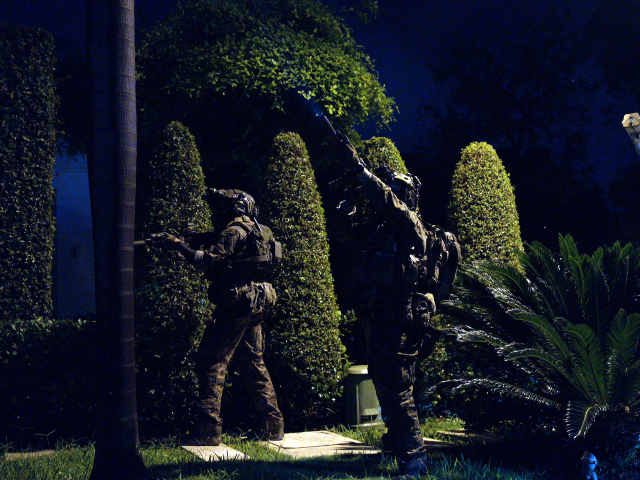
And recently, U.S. special forces started embedding on the ground with Ecuadorian authorities in raids against alleged drug traffickers, introducing a new front in the Trump administration’s campaign against criminal groups designated as foreign terrorist organizations.
“Based on our assessment of what needs to be done, this plan focuses on five core lines of effort: dismantling illicit networks, attacking network logistics, preventing adversary regeneration, bolstering partner sovereignty and security, and building a strong coalition,” U.S. Southern Command (Southcom) Commander Gen. Francis L. Donovan said in a recent interview with The Hill when discussing Southcom’s “Offensive Campaign Plan” that addresses regional threats to security and stability.
Since returning to the White House last year, President Trump has pressured drug cartels in the Western Hemisphere, warning that their drug trafficking is directly contributing to the deaths of Americans.
The U.S. has labeled 20 Latin American-based cartels and other criminal groups as foreign terrorist organizations and began kinetic actions across the continent last fall. The administration has also deepened its defense cooperation with countries, establishing the 19-member Americas Counter Cartel Coalition (ACCC) to counter transnational organized crime.
The cooperation has borne fruit in Ecuador, where the government has wanted to aggressively partner with U.S. forces to help take out criminal syndicates such as Los Choneros and Los Lobos, which have ties to Mexico’s Jalisco New Generation Cartel.
Two weeks ago in Ecuador, about 50 U.S. service members and law enforcement personnel took part in raids carried out by Ecuadorean police against alleged drug traffickers.
The U.S. military collaborated with Drug Enforcement Administration (DEA) counterparts and the Ecuadorian military in the lead-up to the raids, according to a senior U.S. official.