

Social Security is expected to reach insolvency within a decade, and with the key safety net program facing the prospect of automatic benefit cuts when that occurs, a critical debate over the cost of replacing that revenue could be obscured by a budget rule.
Kent Smetters, faculty director of the Penn Wharton Budget Model, spoke exclusively with FOX Business about a new report that details how federal budget rules assume Social Security benefits would be paid in full using general revenue transfers when the program's trust funds reach insolvency in about six or seven years.
"What the law actually says is that when the trust fund depletes, benefits have to be reduced to a level that's consistent with just the monthly payroll taxes that come in. We estimate that to be about a 15% reduction of benefits, which is sizable," Smetters said, adding that the cut would apply to newcomers and existing enrollees alike.
FEDERAL BUDGET DEFICIT HITS $2T AS NATIONAL DEBT COSTS SURGE
Smetters said that a separate law covers how the nonpartisan Congressional Budget Office (CBO) would score the cost of trust fund depletion and general fund transfers to appear as if there was no cost to shifting borrowing to the general fund as spending continues.
"We all know that's just like the left hand paying the right hand or vice versa. It doesn't do anything to solve the actual funding problem. But nonetheless, that's going to score as though it's costless, zero dollars, even though that borrowing from general revenue will be substantial – almost 200% of GDP within 75 years, or over 400% of taxable payroll over 75 years," Smetters said.
He cautioned that the budget rule may "almost cast a die of what's going to actually happen, because I think policymakers are going to see that it's kind of like the easy button for looking like they've solved Social Security."
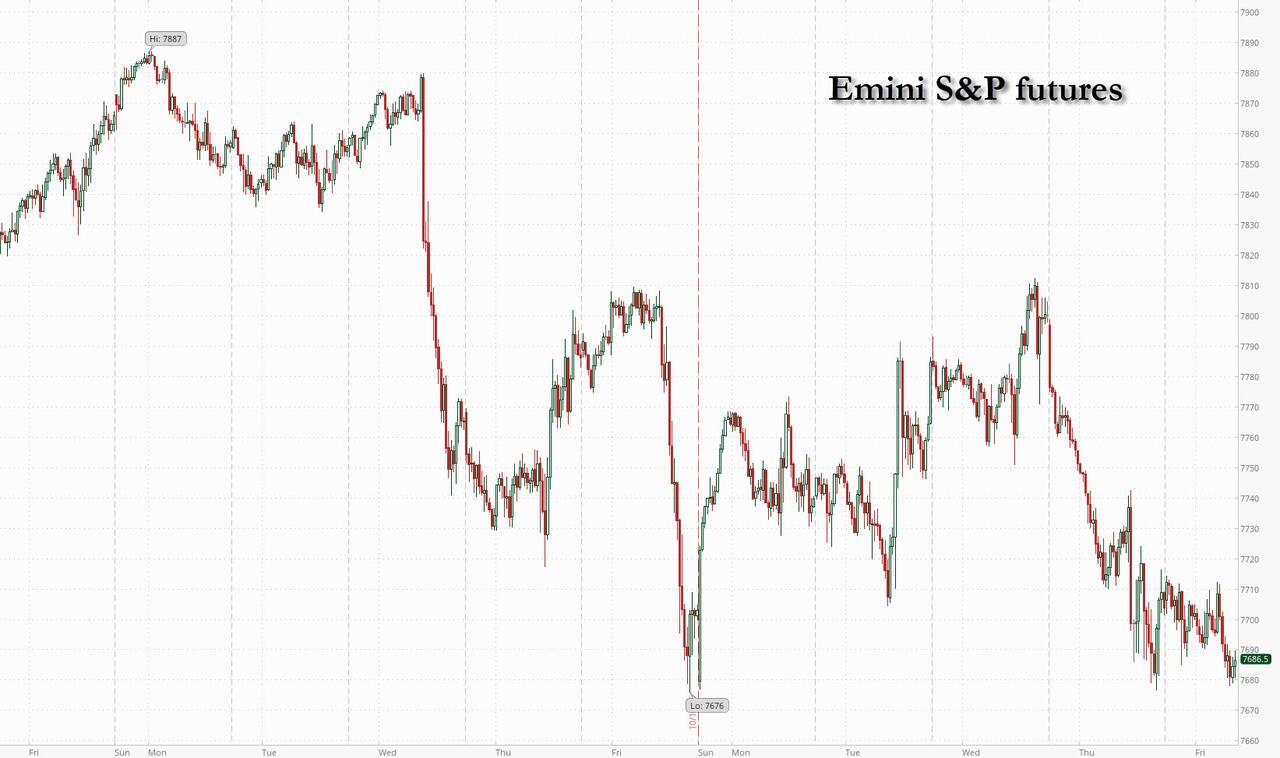
The approach of relying on general fund transfers to make up the shortfall to pay Social Security benefits in full could also raise alarm in bond markets and worsen the nation's fiscal woes through higher interest rates.
Smetters said that "bond markets are currently making a bet that Congress and the president will eventually get their act together, because if they don't, future bond markets are just going to pound them," adding that the general revenue transfers would serve as the "ultimate sign that we've given up."
AMERICA'S $40T NATIONAL DEBT IS 'STEALING FROM OUR NEXT GENERATION,' ECONOMIST WARNS
The CBO's most recent 10-year budget outlook estimated that Social Security's main trust fund would be depleted in 2032, with benefits reduced by an average of 28% annually after benefits are cut. The reduction in benefits would amount to about $2.7 trillion in reduced benefits over the 2032 to 2036 period, according to the CBO.
Smetters noted that while the CBO and Penn Wharton Budget Model projections differ slightly in the timing and extent of benefit cuts, as PWBM estimates insolvency will occur in 2033 with benefits reduced by 15%, policymakers need to address the fiscal challenges facing Social Security as soon as possible.
"Even though seven years is not that far away, the good news is there are a range of options," Smetters said, noting that the Penn Wharton Budget Model website has a set of seven illustrative options that range from heavy tax revenue increases to heavy benefit cuts, with a middle ground in between.
ONE TYPE OF SOCIAL SECURITY ADJUSTMENT COULD CUT THE 75-YEAR SHORTFALL IN HALF
Smetters said that while various solutions to prevent trust fund depletion and reduce federal debt have different long-term economic outcomes, there is still time for a rational discussion.
"Unless we go with the gimmick approach in terms of this general revenue transfer, the fact of the matter is it requires really having adults in the room on both sides of the aisle," he said.
Smetters highlighted the Social Security reforms made during the 1980s by then-President Ronald Reagan and Democratic House Speaker Tip O'Neill, which set partisanship aside.
"They decided we're jumping off this bridge together because the country is worth it, and they were going to put their personal politics, personal ambitions aside to solve this problem," Smetters said. "We just don't have that rhetoric right now."
"The longer that we wait, the more likely it's just going to be this pure optics, easy button and make it look like we've solved Social Security despite not actually doing anything, and we're going to absorb these really large budget deficits going forward," he added.
Continue reading...
[ H/T Fox Business ]