







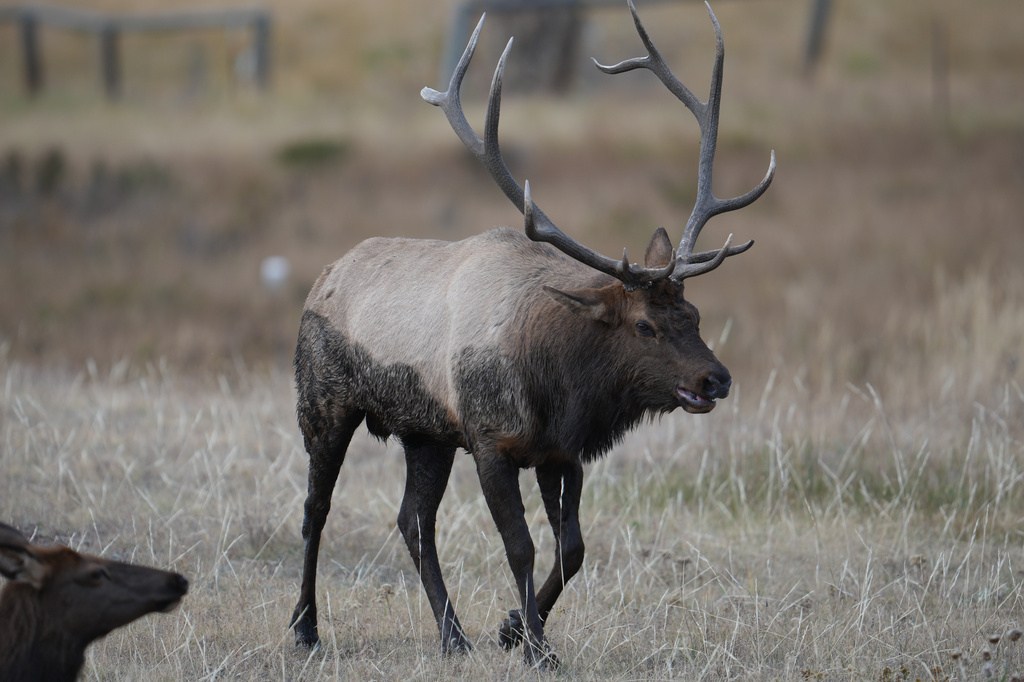
The first case of New World screwworm in U.S. wildlife has been detected in a Texas elk, raising concerns about the parasite’s spread as federal and state officials work to protect the country’s livestock industry.
The Department of Agriculture confirmed the detection, marking a new development in efforts to contain the flesh-eating parasite, which has threatened livestock in the region and prompted restrictions on animal imports from Mexico after a case was found in a Texas calf this summer.
New World screwworm is a parasitic fly whose larvae feed on the living tissue of warm-blooded animals, including livestock, wildlife, pets, and humans. Once the eggs hatch, the larvae burrow into living tissue, causing painful, potentially life-threatening wounds.
The Agriculture Department urged hunters, landowners, outdoor enthusiasts, and wildlife professionals to watch for signs of infestation and report suspected cases promptly.
“This detection highlights the critical role hunters, landowners, outdoor enthusiasts, and wildlife professionals play in helping detect and stop the spread of NWS,” the department said. “Early reporting is one of the most important tools we have to protect wildlife, livestock, and pets in the United States.”
The discovery comes as the USDA continues efforts to prevent the parasite from spreading north from Mexico. In June, the department confirmed a screwworm detection in Texas, renewing concerns about a threat to the U.S. cattle industry that had been largely eliminated domestically decades ago. The parasite was eradicated from the United States in 1966 through an extensive sterile-fly program.
Texas Gov. Greg Abbott (R-TX) expanded the state’s emergency response and disaster declarations to bolster protections for livestock. Federal and state officials have also advanced plans for a sterile-fly production facility in South Texas.
TEXAS DEMOCRATIC CONGRESSIONAL NOMINEE SPENDS THOUSANDS ON LIQUOR, COOKIES, AND MEXICAN FOOD
The USDA has restricted livestock imports from Mexico as part of its containment strategy but is now moving toward a phased reopening of select border crossings, with additional safeguards and animal-health assessments.
The department’s Animal and Plant Health Inspection Service plans to reopen the Columbus, New Mexico, port of entry to cattle imports on Oct. 26. If conditions remain favorable and necessary inspection infrastructure is in place, the Nogales, Arizona, port is scheduled to reopen on Nov. 30.
Continue reading...
[ H/T Washington Examiner ]