

Europe Being 'Flooded With Cocaine' By Cartel Speedboat Swarms As Police Admit They're Outgunned
Drug traffickers are running cocaine into Europe aboard fleets of high-powered speedboats off southern Spain, and Spain's own government counted more than 600 of the so-called go-fast boats in the Strait of Gibraltar last year, calling them a "major threat" in its annual security report.
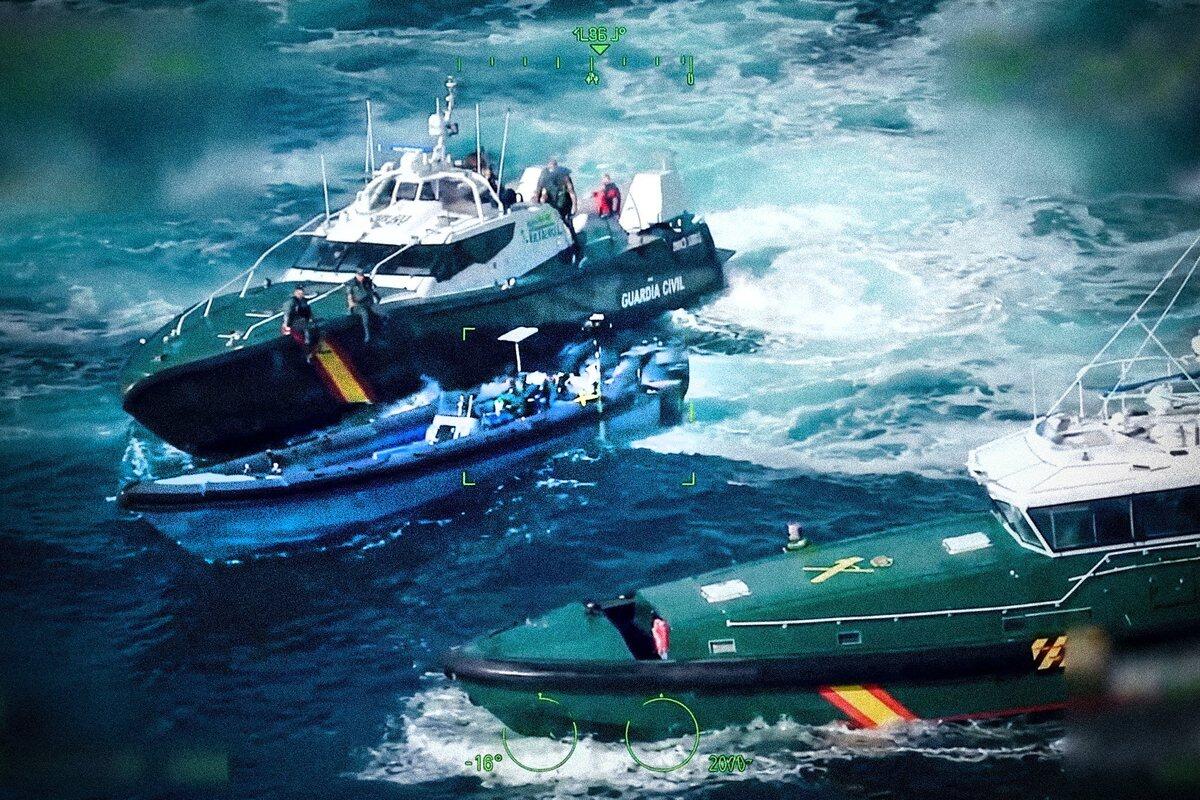
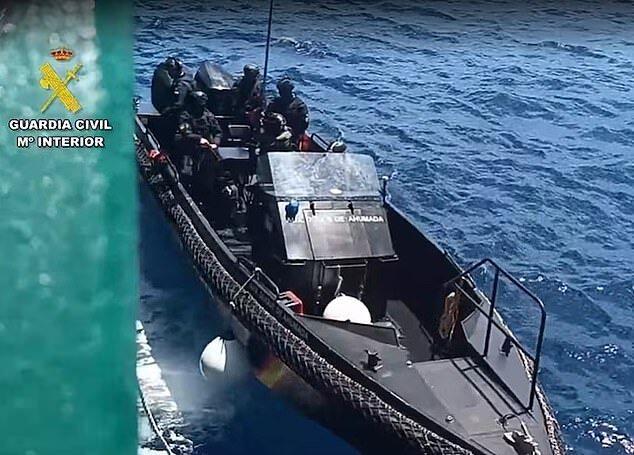
A Spanish security source said authorities have been left underequipped to deal with the narcolanchas. Guardia Civil officers pursue a ‘narcolanchas’ drug smuggling boat ( Guardia Civil/The Independent )
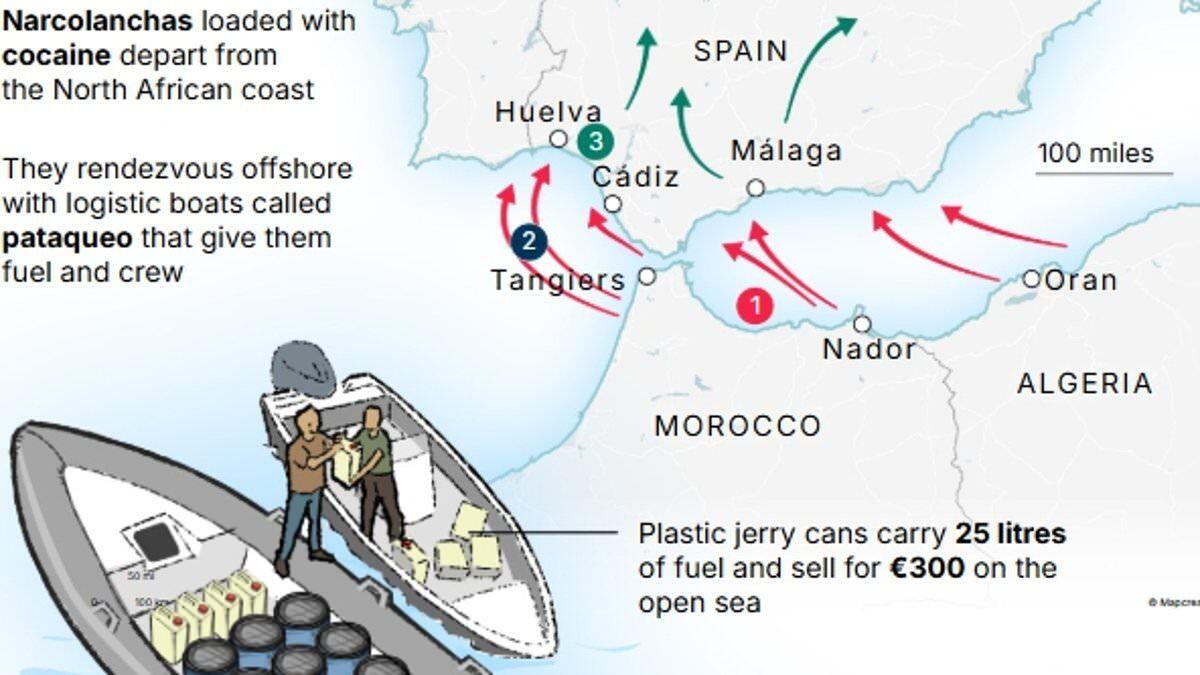
The boats, known in Spain as narcolanchas, carry up to four outboard engines totaling some 1,200 horsepower and can top 80 knots (92mph), well beyond what most patrol boats can match. Crews typically leave northern Morocco at night loaded with South American cocaine, meet larger supply boats offshore for fuel, food and fresh crew, then race for remote beaches, river mouths and estuaries in Andalusia, where lookouts and vehicles wait to move the drugs inland. The boats run in groups of dozens at a time, counting on speed and sheer numbers to swamp the coastguards. Tighter security at big container ports such as Rotterdam and Felixstowe has pushed the cartels toward these bolder routes, according to the Global Initiative Against Transnational Organized Crime (GI-TOC).
"It's not about concealment," Ruggero Scaturro, a senior analyst at GI-TOC, told The Independent. "Narcolanchas stay at sea for up to one month. They are in broad daylight - they're just faster, stronger and more violent." He called it a battle law enforcement "cannot win."
A Guardia Civil officer told GI-TOC researchers that the traffickers often have "better means, better boats, faster boats" than the officers sent to stop them.
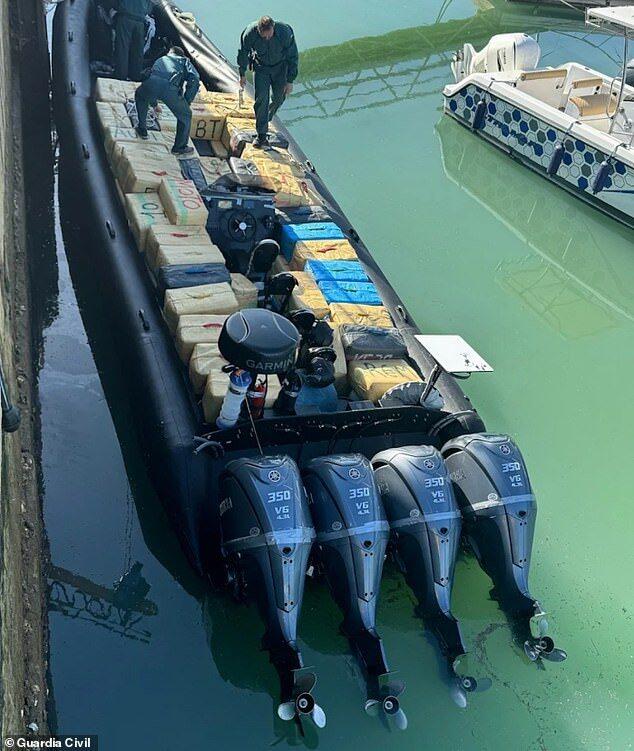
This speedboat - equipped with four powerful engines - was intercepted by police last year (via the Daily Mail)
In February 2024, two Guardia Civil officers were killed in Barbate when a narco-boat rammed their far smaller patrol boat. Two more officers died in May this year during a high-speed chase of a suspected drug boat about 70 nautical miles off Huelva, with two others seriously injured. Spain's security report says the smugglers increasingly ram patrol boats when they fear losing a load, and that some carry weapons of war.
On Sept. 4, Spanish authorities stopped a narcolancha 70 miles south of Gran Canaria carrying 139 bales holding 3,360 kilos of cocaine, and its five crew had two long guns aboard for protection, according to the Interior Ministry.
"They are ruthless; they don't care, and they are armed," Scaturro said, adding that the violence has climbed because the cargo has changed: the boats were pioneered by hashish smugglers, and now carry cocaine worth far more.
The boats are built illegally, often in clandestine workshops in Portugal, and Spain has outlawed them since 2018. Its Interior Ministry says 740 "means of transport" were seized between January and August, but losing boats barely dents the trade. The national security report says the landing zones have already spread from the Campo de Gibraltar to the Huelva coast, Portugal, the Levante and the Balearic Islands.
Guardia Civil Spanish police pulled up to the Arconian for cocaine seizure. The ship was due to meet smaller speedboats that would have distributed the drugs towards the Spanish coast (via the Daily Mail)
On May 1, Spanish authorities intercepted the Comoros-flagged bulk carrier Arconian off Western Sahara with more than 30 tonnes of cocaine aboard, which GI-TOC called the largest single cocaine seizure on record. The load was most likely put aboard in Freetown, Sierra Leone, and was meant to be handed off to speedboats near the Canary Islands, according to a GI-TOC analysis, which names Jos Leijdekkers, a Dutch trafficker living in Sierra Leone since mid-2022, as the likely coordinator.
Cocaine production climbed to a record of roughly 4,100 tonnes of pure product in 2024, about four times what it was a decade earlier, according to the UN's World Drug Report. Demand is keeping pace: the UK Home Office's wastewater testing puts cocaine consumption in England alone at around 123,000 kilos between August 2024 and July 2025, and estimates use rose 26% between 2021 and 2025.
For Scaturro, the shift from hashish explains why the fight at sea has turned so violent: "You need more investment, you need more protection. It's one thing smuggling one ton of hashish, and quite another smuggling one ton of cocaine."
Tyler Durden Fri, 11/27/2026 - 06:30
Continue reading...
[ H/T ZeroHedge ]
Drug traffickers are running cocaine into Europe aboard fleets of high-powered speedboats off southern Spain, and Spain's own government counted more than 600 of the so-called go-fast boats in the Strait of Gibraltar last year, calling them a "major threat" in its annual security report.
A Spanish security source said authorities have been left underequipped to deal with the narcolanchas. Guardia Civil officers pursue a ‘narcolanchas’ drug smuggling boat ( Guardia Civil/The Independent )
The boats, known in Spain as narcolanchas, carry up to four outboard engines totaling some 1,200 horsepower and can top 80 knots (92mph), well beyond what most patrol boats can match. Crews typically leave northern Morocco at night loaded with South American cocaine, meet larger supply boats offshore for fuel, food and fresh crew, then race for remote beaches, river mouths and estuaries in Andalusia, where lookouts and vehicles wait to move the drugs inland. The boats run in groups of dozens at a time, counting on speed and sheer numbers to swamp the coastguards. Tighter security at big container ports such as Rotterdam and Felixstowe has pushed the cartels toward these bolder routes, according to the Global Initiative Against Transnational Organized Crime (GI-TOC).
"It's not about concealment," Ruggero Scaturro, a senior analyst at GI-TOC, told The Independent. "Narcolanchas stay at sea for up to one month. They are in broad daylight - they're just faster, stronger and more violent." He called it a battle law enforcement "cannot win."
A Guardia Civil officer told GI-TOC researchers that the traffickers often have "better means, better boats, faster boats" than the officers sent to stop them.
This speedboat - equipped with four powerful engines - was intercepted by police last year (via the Daily Mail)
In February 2024, two Guardia Civil officers were killed in Barbate when a narco-boat rammed their far smaller patrol boat. Two more officers died in May this year during a high-speed chase of a suspected drug boat about 70 nautical miles off Huelva, with two others seriously injured. Spain's security report says the smugglers increasingly ram patrol boats when they fear losing a load, and that some carry weapons of war.
On Sept. 4, Spanish authorities stopped a narcolancha 70 miles south of Gran Canaria carrying 139 bales holding 3,360 kilos of cocaine, and its five crew had two long guns aboard for protection, according to the Interior Ministry.
"They are ruthless; they don't care, and they are armed," Scaturro said, adding that the violence has climbed because the cargo has changed: the boats were pioneered by hashish smugglers, and now carry cocaine worth far more.
The boats are built illegally, often in clandestine workshops in Portugal, and Spain has outlawed them since 2018. Its Interior Ministry says 740 "means of transport" were seized between January and August, but losing boats barely dents the trade. The national security report says the landing zones have already spread from the Campo de Gibraltar to the Huelva coast, Portugal, the Levante and the Balearic Islands.
Guardia Civil Spanish police pulled up to the Arconian for cocaine seizure. The ship was due to meet smaller speedboats that would have distributed the drugs towards the Spanish coast (via the Daily Mail)
On May 1, Spanish authorities intercepted the Comoros-flagged bulk carrier Arconian off Western Sahara with more than 30 tonnes of cocaine aboard, which GI-TOC called the largest single cocaine seizure on record. The load was most likely put aboard in Freetown, Sierra Leone, and was meant to be handed off to speedboats near the Canary Islands, according to a GI-TOC analysis, which names Jos Leijdekkers, a Dutch trafficker living in Sierra Leone since mid-2022, as the likely coordinator.
Cocaine production climbed to a record of roughly 4,100 tonnes of pure product in 2024, about four times what it was a decade earlier, according to the UN's World Drug Report. Demand is keeping pace: the UK Home Office's wastewater testing puts cocaine consumption in England alone at around 123,000 kilos between August 2024 and July 2025, and estimates use rose 26% between 2021 and 2025.
For Scaturro, the shift from hashish explains why the fight at sea has turned so violent: "You need more investment, you need more protection. It's one thing smuggling one ton of hashish, and quite another smuggling one ton of cocaine."
Tyler Durden Fri, 11/27/2026 - 06:30
Continue reading...
[ H/T ZeroHedge ]