









The Environmental Protection Agency launched an effort to accelerate technologies to limit the harms posed by “forever chemicals,” pollutants found in many commonplace materials that do not break down naturally in the environment.
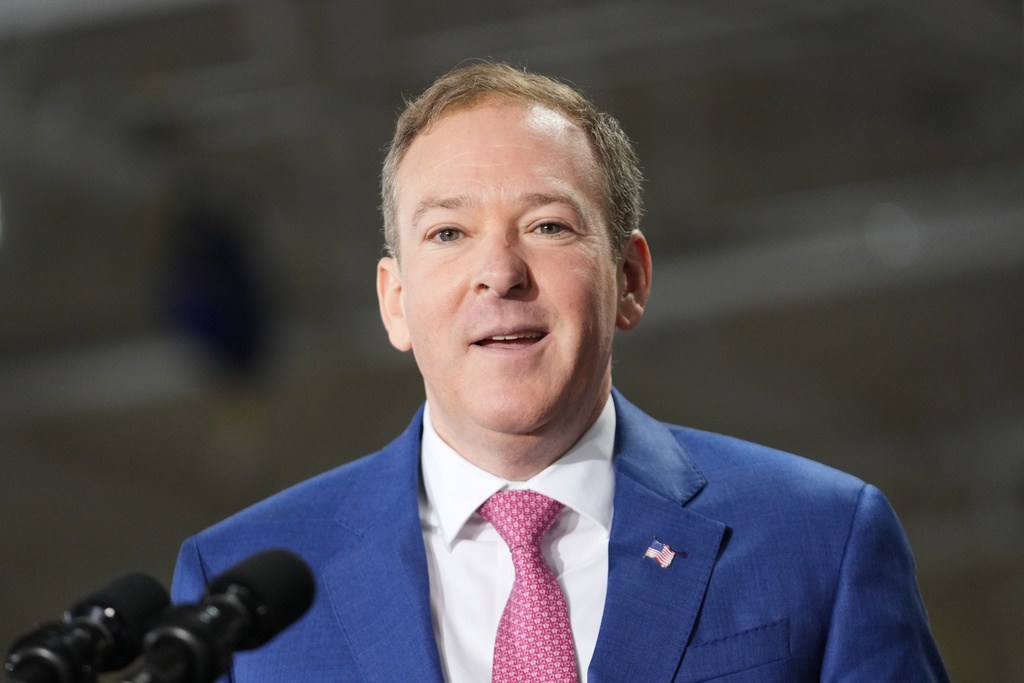
EPA Administrator Lee Zeldin announced the agency’s new PFAS Technology Evaluation, Coordination, Innovation, and Harmonization strategy Monday in Colorado. PFAS, or per- and polyfluoroalkyl substances, can be found in consumer products such as clothing, kitchenware, cosmetics, and more. Some research suggests that PFAS exposure can cause cancer or harm victims’ reproductive systems.
“The Trump EPA is laser-focused on making America healthy again by developing real and tangible agency-wide strategies to protect Americans from exposure to PFAS,” Zeldin said in a press release.
“Technology innovation is essential to accelerating our efforts to address these contaminants, and EPA’s new PFAS TECH strategy will advance scientific discovery, demonstrate the real-world feasibility of advanced technologies, and help reduce PFAS in the environment,” he added.
The agency’s new strategy would prioritize research and development of technologies for PFAS treatment and destruction through funding and partnerships with states, local leaders, and the private sector.
The EPA highlighted emerging PFAS technologies, including foam fractionation, which separates PFAS from water, and supercritical water oxidation, which uses high temperature and pressure to break down contaminants. The agency plans to conduct pilot-scale initiatives at Superfund sites, military facilities, and water treatment and drinking water systems to show the effectiveness of the technologies.
The agency also plans to issue grant funding for research related to the destruction of PFAS but has not detailed the amount of financing. The funding will be available under the Science to Achieve Results and Small Business Innovation Research grant programs, according to the EPA.
The agency has continued to address PFAS contamination but has revisited the Biden administration’s regulations on the “forever chemicals,” arguing that they were rushed and failed to follow statutory requirements.
VOTERS WILL DECIDE ON MORE THAN 40 DATA CENTER BALLOT MEASURES AMID RISING BACKLASH
In May, the EPA proposed revisiting and rescinding some of the Biden administration’s limits in the Safe Drinking Water Act on four types of less common PFAS: perfluorohexane sulfonic acid; perfluorononanoic acid; hexafluoropropylene oxide dimer acid, commonly referred to as GenX chemicals; and perfluorobutane sulfonic acid.
Earlier this year, the EPA, along with the Department of Health and Human Services, also proposed listing microplastics and pharmaceuticals, such as antidepressants, as priority contaminants in the EPA’s draft of the Sixth Contaminant Candidate List for drinking water.
Continue reading...
[ H/T Washington Examiner ]