



Medical interventions require precise timing. A treatment administered too early might lack sufficient diagnostic data. A treatment administered too late will fail to alter the outcome.
The late-stage foreign policy announcement represented an unprecedented eleventh-hour political intervention. In a hyper-polarized landscape, where the battle for control of Congress rests on razor-thin margins, we must analyze whether a sudden executive policy shift can truly sway late-deciding voters.
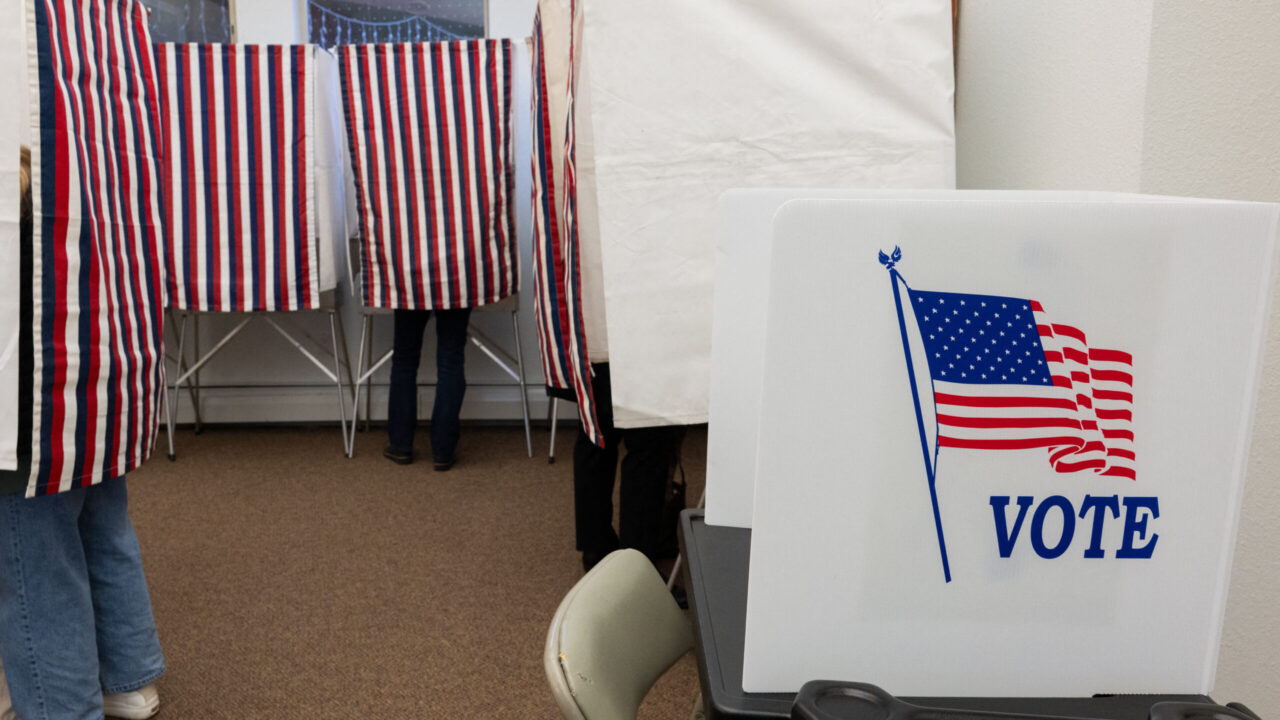
The focus centers on 11 highly competitive Senate seats, including six consensus toss-ups, as well as critical swing districts in states like Michigan. Traditional campaign strategies rely on months of steady narrative building. In contrast, an Election Day policy shock targets the specific subset of voters who remain genuinely uncommitted as they approach the ballot box. It seeks to disrupt existing calculations, break partisan gridlock, and suppress or elevate specific turnout metrics in localized precincts.
This disruption manifested directly on the ground in the final 48 hours of the election cycle. In Michigan, the race exploded when progressive Democratic nominee Abdul el Sayed faced a stunning eleventh-hour defection from his former primary rival, Rep. Haley Stevens (D-MI), who crossed party lines to endorse Republican nominee Mike Rogers. The sudden shift was explicitly triggered by intraparty fractures over Middle Eastern foreign policy and domestic spending priorities. It forced both campaigns into a frantic, last-minute sprint to mobilize competing factions of the electorate on Election Day.
THE PROBLEM ISN’T THAT THE POPE VOTED
Historical data suggests that late-breaking developments rarely cause a total realignment of the electorate. Most voters have already solidified their choices weeks in advance through early voting mechanisms. Yet, in states where historic margins are decided by a few thousand votes, a minor shift among late deciders can entirely alter the legislative balance of power. The morning announcement serves as a final, high-stakes attempt to dictate the closing media cycle and force a late-stage recalculation.
The tactical approach reflects a broader trend in modern political behavior. When structural institutions fail to deliver predictable outcomes, leaders resort to disruptive, high-visibility actions to force immediate results. The long-term consequences on international relationships are deferred. The immediate priority is the acquisition of institutional control. As the polls close, the metric of success for this intervention will be written entirely in the results.
Eric Wargotz is a practicing physician, geopolitical analyst, and multisector policy writer whose commentary has appeared in the Washington Examiner, the Baltimore Sun, and the Jerusalem Post. He is a judge and the 178th president of MedChi, the Maryland State Medical Society, following a career that includes serving as a Senate nominee and elected county commission president. A clinical professor emeritus at George Washington University, his views are his own and do not represent his affiliates.
Continue reading...
[ H/T Washington Examiner ]