





Summary
- Effingham County residents filed a lawsuit claiming local officials conspired by setting the stage for a data center.
- The agreement includes about $870 million in tax yields over 15 years and a $4 billion OpenAI investment.
- The plaintiffs seek exemplary damages and claim civil racketeering, a move that one legal expert said “evokes images of organized criminals in pinstripe suits.”
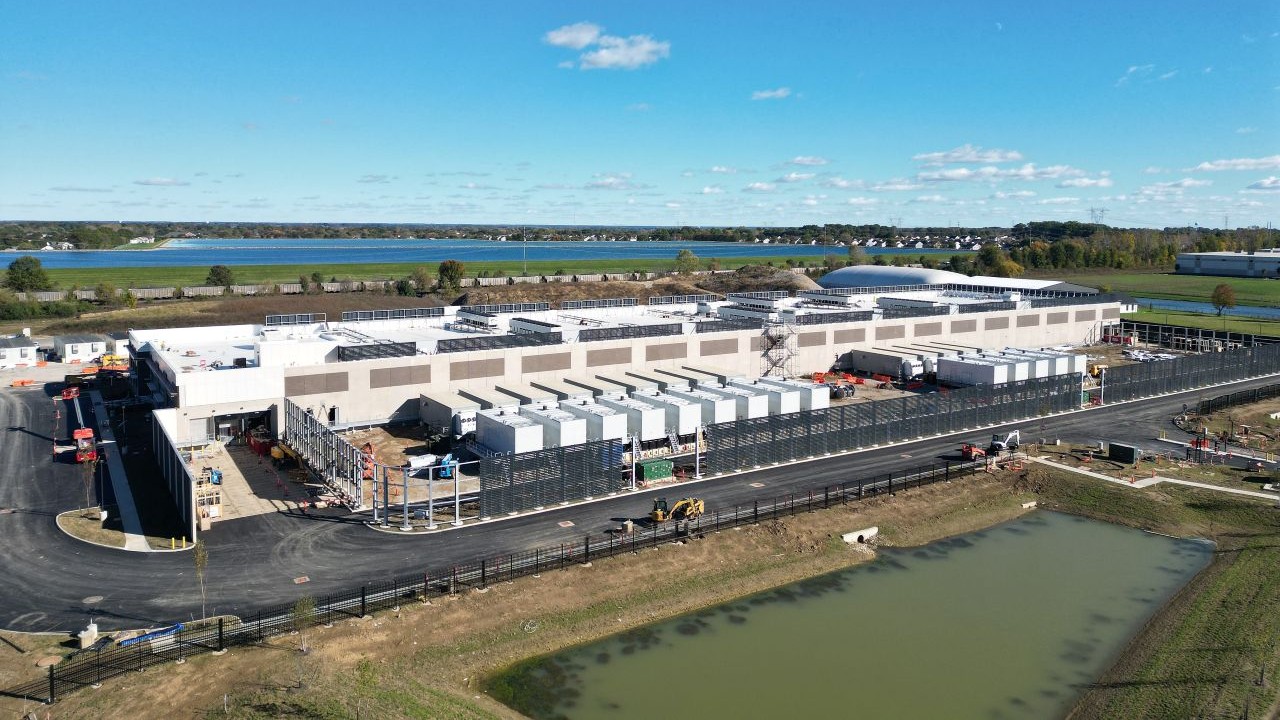
A data center in Effingham County has sparked significant backlash from local residents, prompting a lawsuit against county officials, employees, and others.
The lawsuit claims that officials and others conspired to set the stage for a data center deal that would benefit OpenAI and harm local residents’ land values.
Michelle Finch-Mincey, Lehman Mincey Jr., and Raymond Carver are asking the Effingham County State Court to let a jury make decisions regarding whether to impose exemplary damages against County Manager Tim Callanan; the Effingham County Industrial Development Authority its executive director, Brandt Herndon; associate firm Savannah Industrial Development LLC; software company OpenAI, and its Georgia affiliate, Octans GA.
The lawsuit describes the evolution of interactions and dealings between officials and OpenAI, known for creating ChatGPT, since the deal was announced this past summer.
The deal entails roughly $870 million in tax yields over a period of 15 years from OpenAI, in addition to the organization setting aside $4 billion in investments and adding another 80 jobs during each phase of construction from 2028 to 2034.
The deal comes with pros and cons. Although the memorandum of understanding provides a decreased tax rate, the company would become the largest taxpayer in Effingham County. Despite the benefits, the project would demand a large amount of electricity from a grid fueled by fossil and nuclear energy, in addition to the large demand for water needed to operate the facilities.
Herndon knew of the technology company’s interest in Effingham County as early as the end of October 2025, according to a nondisclosure agreement endorsed by Herndon and OpenAI, The Current reported.
Although there were several signs that an agreement was coming to the county, in May, an organization that “has the development authority’s power of attorney” had endorsed a deal to sell public land to OpenAI’s partner.
Following this, OpenAI held a meeting with Gov. Brian Kemp.
The controversy continued to center on the lack of information shared with the public, as the public’s only knowledge of data centers in the county came from a December county commission vote on several zoning laws, including one permitting data centers.
The lawsuit claims that the dealings amount to “civil racketeering,” essentially conspiring to hide the information about the data center until it was too late for the public to provide input or change the outcome.
Jonathan Hofer, research fellow at the Independent Institute, says the plaintiffs’ argument that there was a conspiracy tantamount to racketeering is a legal stretch.
“Effingham County residents likely have a moral grievance with their officials, but the legal argument that there was a conspiracy tantamount to racketeering is a steep uphill battle,” he said.
“Civil RICO cases are built around curbing fraud schemes and typically have to identify specific legal harms. The downstream effects of a data center likely wouldn’t meet the typical criteria and courts usually don’t apply this sort of framework to economic developments. The lawsuit’s argument is enough of a stretch that it wouldn’t surprise me if it were dismissed early.”
This lawsuit follows two other lawsuits regarding OpenAI’s presence in the county. Toward the beginning of September, the same complainants sued Effingham County, requesting that a judge nullify the zoning of the data center zoning.
Later in September, local residents and the environmental group One Hundred Miles requested that a judge get rid of the development authority’s agreements with OpenAI’s AI’s partner.
“This lawsuit underscores the need for greater transparency in local agreements for AI data centers,” Annie Chestnut Tutor, a Heritage Foundation policy analyst at the Center for Technology and the Human Person, told the Daily Signal.
“Nondisclosure agreements keep the public out of the scoping and planning process, and residents reasonably want to know whether their utility bills will increase, who is paying, how the land use impacts their property value, and finally, they want a say in whether the project is net positive or net negative for their community.”
However, Hofer says that this particular lawsuit, in claiming racketeering, is “an escalation.”
“There have been several lawsuits throughout the country related to data centers that do focus on open-meeting requirements, notice rules, and things of that nature. In that regard, this lawsuit is not novel,” he said. “But what is unusual is the racketeering element. That is an escalation. Not to mention that ‘RICO’ is a term that evokes images of organized criminals in pinstripe suits.”
Continue reading...
[ H/T The Daily Signal ]