

I graduated high school in June 2001, months before al Qaeda terrorists took down the Twin Towers and set America on a decades-long experiment in toppling nations and rebuilding them in our image, all in the name of “rooting out terrorism” and whatever else Washington came up with along the way. My best friend and next-door neighbor, not ready for college and unsure what to do with himself, joined the Army that summer. He called me the morning of 9/11 from Fort Benning, where he was in basic training, and asked what the hell was going on — they were on lockdown and weren’t getting any information. But they knew something bad had happened.
Until then, I didn’t know the first thing about Afghanistan or Iraq or weapons of mass destruction or any of it. But I set about learning everything I could about what had happened that morning, and what it would mean for my friend. The prospect of him going to war awakened me to the world of politics and the reality of history as a living thing, something that didn’t just happen in textbooks but could reach into my own neighborhood. He would fight in Afghanistan and in Iraq, along with other friends of mine, including one who would become my brother-in-law.
They all came home, praise God, but I never stopped paying attention. I kept reading as widely as I could about political history and philosophy and applied what I was learning to the news. A quarter century later, I make a living tracking the subtle shifts in our politics as American and world history unfold at breakneck speed.
Watching closely has taught me one lesson above all others, and it’s the one I offered on CNN Tuesday night: the federal government lies when the stakes are highest, and most of the rest of the time, too. It doesn’t matter which party controls the White House. They’ve been lying to the people of my generation our entire adult lives.
We were told Saddam Hussein had weapons of mass destruction. We were told that if we liked our doctor, we could keep our doctor under Obamacare. We were told COVID came from a wet market, and that Joe Biden had never been sharper. And for the past decade, Donald Trump has unleashed such a relentless torrent of bulls*** that we no longer know what plain, literal truth sounds like.
Some will say this is just politics as it’s always been — that every side spins and every event can be read a million ways. That’s certainly true. Tolstoy made this point at the opening of the third volume of War and Peace, noting that every explanation for Napoleon’s 1812 invasion of Russia — ambition, diplomatic slights, imperial scheming — is partly true yet insufficient on its own.
But arguing over why the apple fell and arguing over whether it’s still hanging on the tree are two very different things. Interpretation is honest disagreement. Lying is misrepresenting the facts. And that’s what the government has done to my generation again and again.
Reasonable people can still argue about why the Iraq War happened. No one can argue the weapons were there.
The news media’s failure to draw this distinction in real time has let the federal government dodge responsibility for the lies it continues to tell, no matter who is in charge. Part of the problem is speed. Events move faster than reporters can spot the shifting dynamics behind them, so by the time journalists identify the crucial lie and pin it on the people who told it, the damage is done. Or the nation has moved on and no longer cares.
The other part is the warped incentive structure journalists themselves face. In today’s climate, where a single viral clip or an exclusive interview with a powerful figure can vault a journalist into stardom, access to power is worth far more than the skill to separate truth from lies or the courage to say so.
And as in any relationship, the bond between journalists and the powerful is forged through loyalty in a crisis.
We watched this dynamic play out just a few years ago, and it may have decided a presidential election. Videos began circulating of Joe Biden wandering away from podiums and shaking hands with the air (on numerous occasions, mind you), and some of the biggest names in the industry insisted, as if on cue, that these were “cheap fakes”: misleadingly edited clips designed to make a sharp president look feeble.
This wasn’t the worst example of all time, but perhaps the most shameless. Did they really believe, in their heart of hearts, that they could put this one over on the public? It appears so.
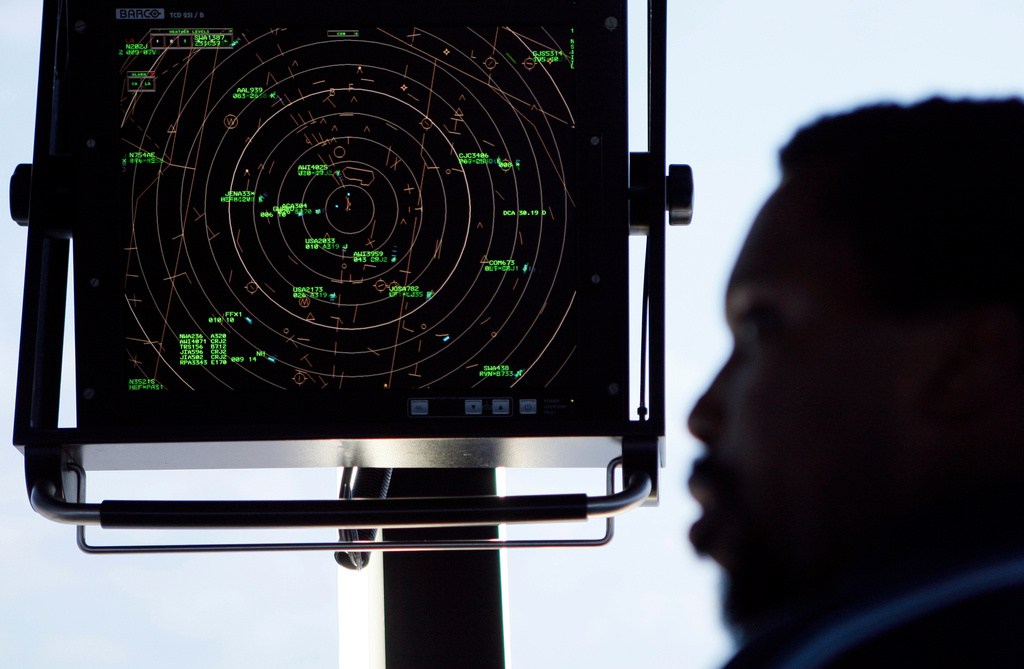
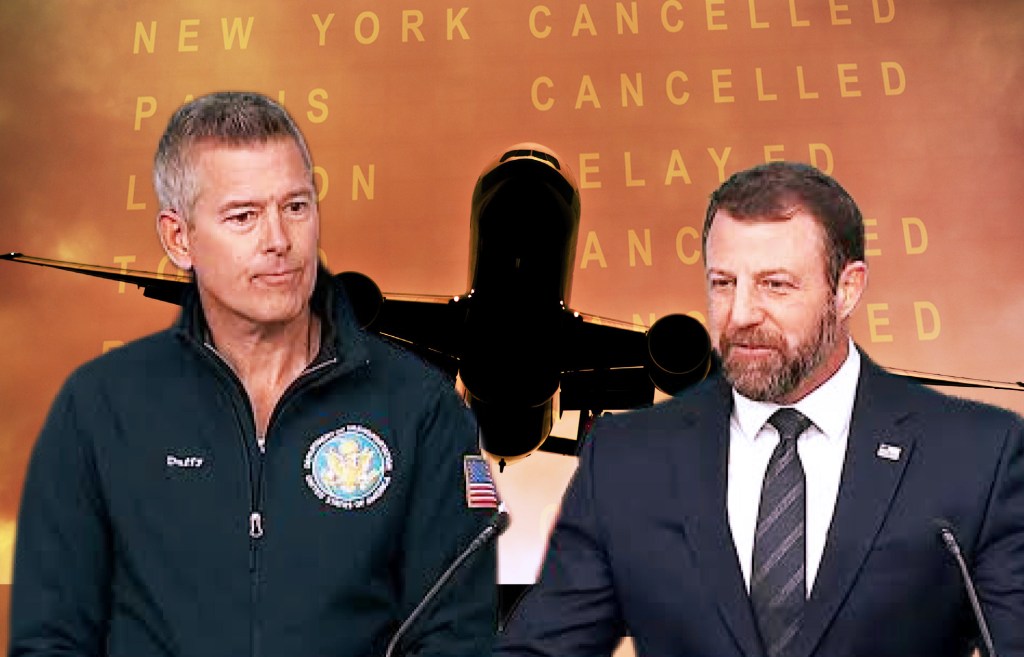
When it comes to this week’s tech outage crisis, do I know for a fact the administration is lying? Not yet. But I’d bet a whole lot of money on it. Here are the main tells as far as I’ve been able to track them, starting with the most obvious: the story keeps changing.
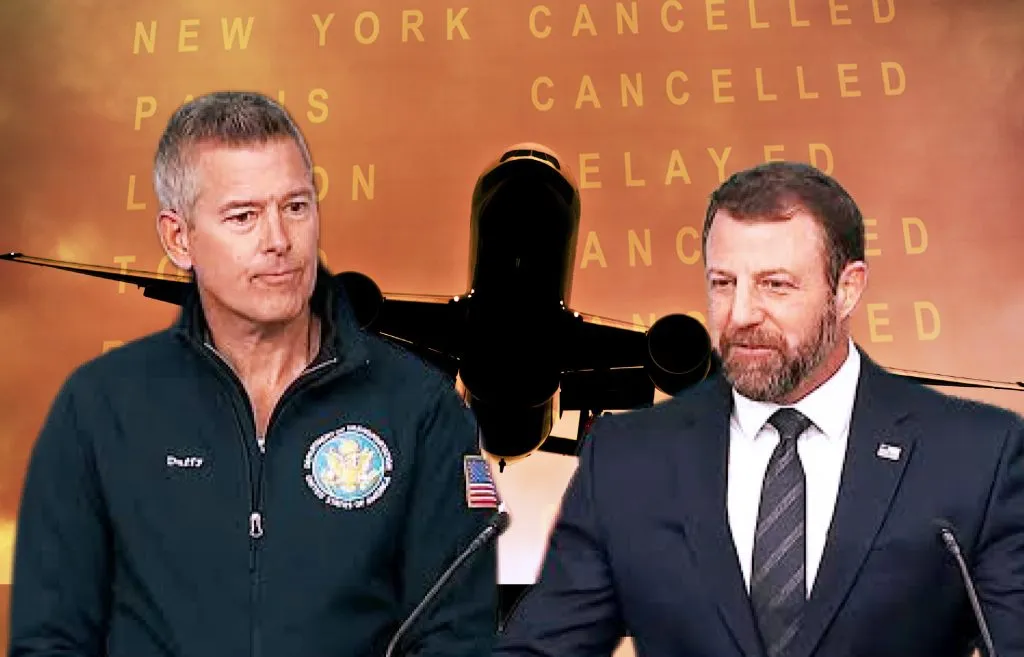
On Friday afternoon, Transportation Secretary Sean Duffy described only a vague communication issue affecting air traffic control facilities that deal with high-altitude airspace. That evening, Homeland Security Secretary Markwayne Mullin floated the FAA’s new SMART scheduling tool as a possible culprit, prompting its developer to deny any connection outright.
By the White House briefing, the story had become outdated legacy systems overwhelmed by new patches, with Mullin now insisting the new AI tools had nothing to do with it. On Saturday, Duffy pinned it on a contractor upgrading old telecom lines.
That’s at least four explanations in about 24 hours, and none of them has been retracted.
Could this simply be a matter of the message evolving as new facts come to light? Possibly, but these statements were delivered as if definitive — an impression driven home by Duffy badgering Congress for an additional $50 billion for upgrades.
If you don’t know the cause of the problem, how do you already know who to blame and how much money will fix it?
On Tuesday, Duffy answered the question himself: “We’ve been able to recreate what happened in El Dorado, but the root cause of what happened, we don’t have clarity yet.”
There’s also the question of timing. My colleague Anna Giaritelli spoke with 60 air traffic controllers about Duffy’s explanation, and “none of them are buying what he said.” Equipment updates happen midweek and overnight, one controller told her: “They absolutely do not do that during the day.” So why was a router being swapped out on a busy Friday afternoon?
Then there were the atmospherics. At Friday’s press conference, Mullin and Duffy were bizarrely defensive and combative, betraying panic at a moment that cried out for calm competence.
Then there was the creepy fawning over Trump that seems obligatory for every administration official on camera. While flights were still grounded Friday, Mullin assured reporters that “President Trump’s the best at leading us.” Then, standing at the White House podium that night, with thousands of travelers stranded and the nation on edge, he told the country, “This is what the leadership of President Trump looks like.”
He also made sure to correct reporters on the proper terminology. When one asked whether AI might be to blame, Mullin cut in: “We call it SI around here, remember?”
What kind of people think like this at such a moment? I’ll tell you who: people more concerned with their own fate than with the people they are meant to serve. And people like that can do real damage. (Days later, Mullin went on Hannity and suggested “SI” was to blame for the outages after all.)
The rest of the week’s news only deepened suspicion about the administration’s dealings with the tech industry.
When pressed on Fox News Wednesday night about allegations that former (and maybe future?) Nvidia CEO Jensen Huang was romantically involved with a suspected Chinese spy before inviting Huang aboard Air Force One, Trump insisted “I haven’t heard that” — even though the New York Times reported that Secretary of State Marco Rubio warned him about it on that very flight.
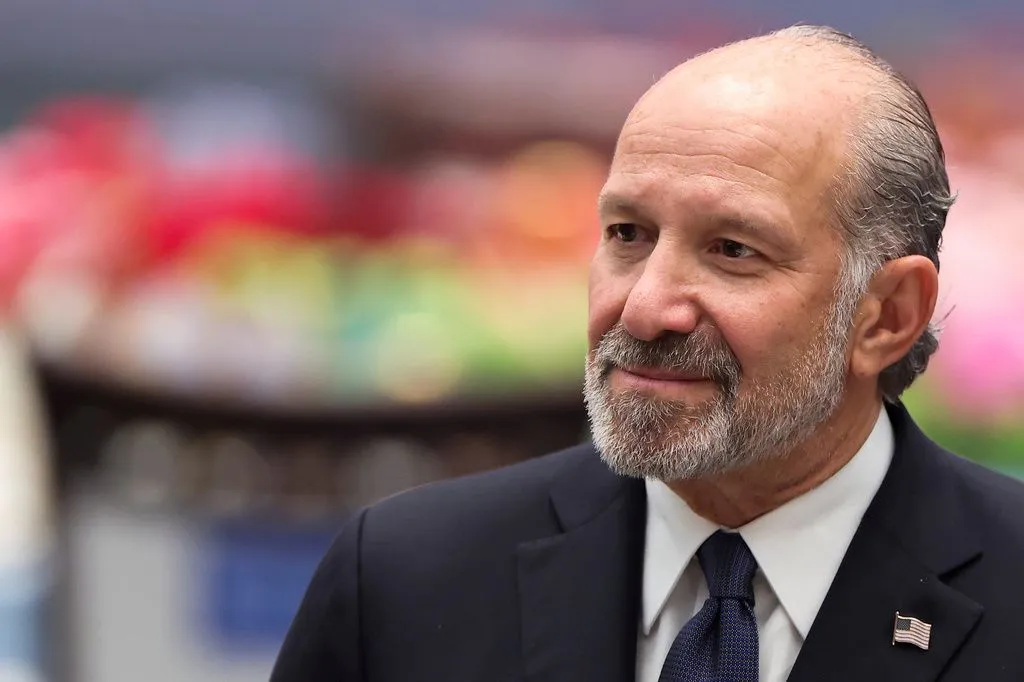
Meanwhile, Cantor Fitzgerald, the firm Commerce Secretary Howard Lutnick handed to his sons, keeps turning up with stakes in companies his department invests in, including a major position in Nvidia.
With this much shady activity surrounding the administration’s top officials, it’s no wonder Americans assume the worst, and it’s on the press to find out whether they’re right. If there’s reason to believe the administration isn’t being straight with us, our job is to pin its arm behind its back until it cries uncle.
HOWARD LUTNICK’S COINCIDENCES KEEP PILING UP
Government lies in a crisis reach all the way into our neighborhoods. They reached my best friend from high school, and they reached every family that lived through COVID.
The government used up the benefit of the doubt a long time ago.
Continue reading...
[ H/T Washington Examiner ]