




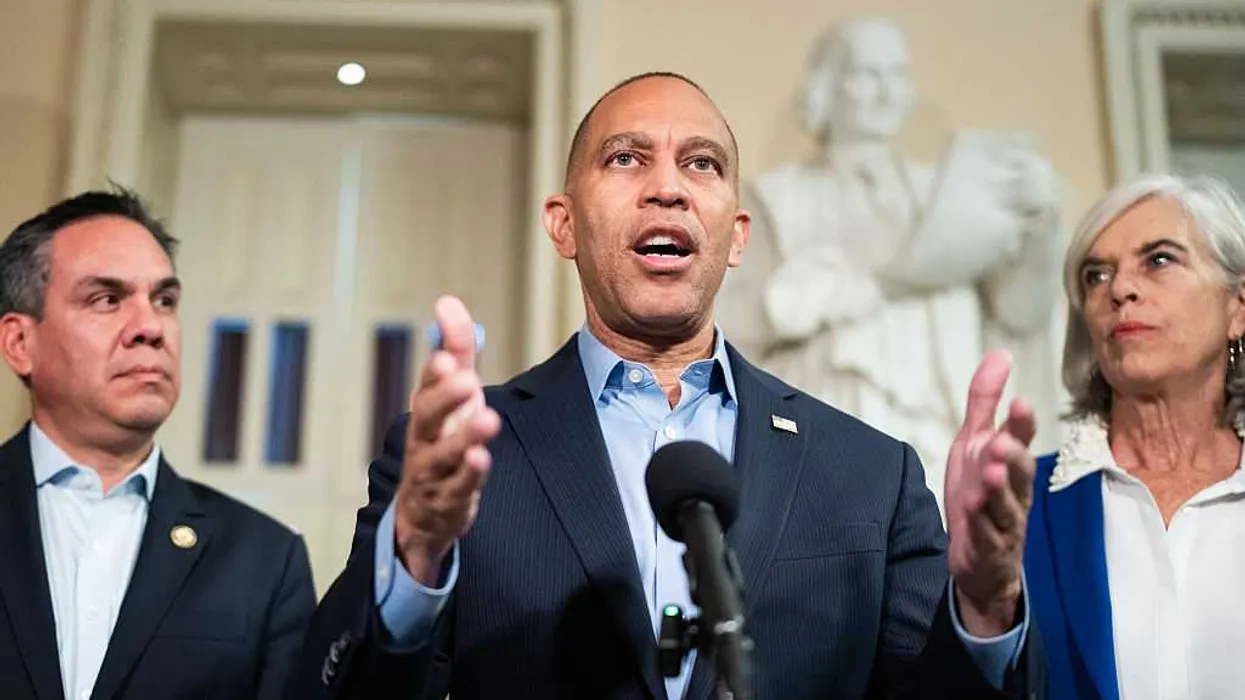
House Minority Leader Hakeem Jeffries (D-N.Y.) says Republicans have "done nothing to make life more affordable for the American people" and instead have "made life more expensive." That’s a remarkable accusation from a party that presided over a historic jump in consumer prices and continues to defend policies that add to the bills families pay.
With the November midterms approaching, Democrats want voters to blame Donald Trump for the cost of groceries, rent, power, and gasoline. They should first account for the prices Americans inherited when Trump returned to office — and for the costs imposed by Democrat-led states.
Americans did not forget what groceries and rent cost four years ago. Democrats should not expect them to forget who held power when those prices took off.
Start with inflation. The Federal Reserve aims for 2% annual inflation over time. Even when inflation slows, prices generally keep rising. A smaller annual increase does not reverse the larger increases that came before it.
According to the consumer price index, overall prices climbed about 21% during Joe Biden's presidency. They rose roughly another 5% between January 2025 and August 2026, the latest available monthly data. Inflation has not stopped: The August report put the 12-month rate at 3.4%. But the distinction between the rate of inflation and the price level explains why families still feel the squeeze from the Biden years.
Household essentials tell the story. The Bureau of Labor Statistics recorded increases of more than 20% in grocery prices and residential rents during Biden's term. Electricity costs rose by roughly 30%. Slower subsequent increases leave those earlier jumps in place.
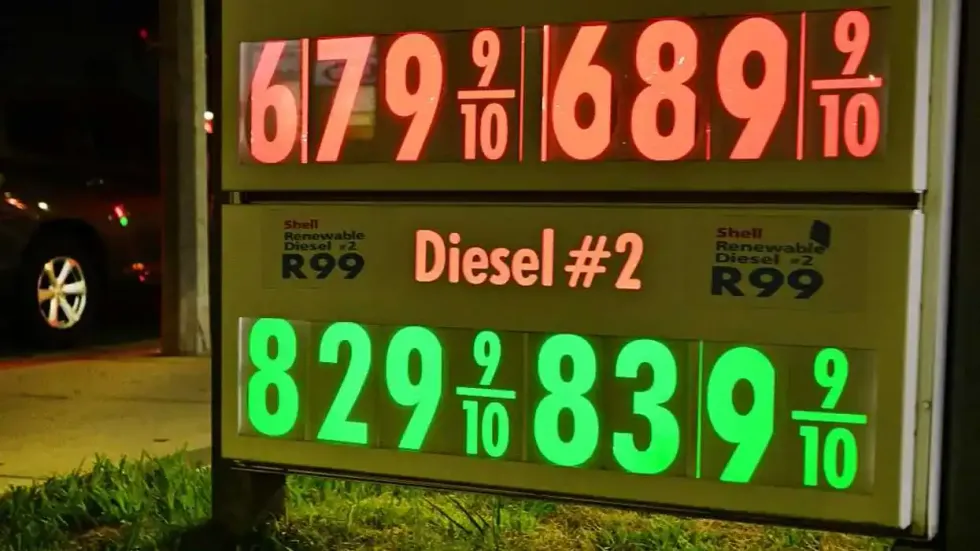
At the pump, the weekly national average hit $5.01 a gallon in June 2022, during Biden's term. It peaked at $4.50 so far in Trump's second term, amid disruptions to oil supplies due to the Iran war. Nominal term averages have run $3.46 under Biden and $3.43 so far under Trump, according to federal energy data.
Still, the household costs Democrats now denounce were already elevated when Biden left office. The party cannot credibly campaign as though American families began paying those bills in January 2025.
State policy makes the contradiction sharper. The Federation for American Immigration Reform, which favors stricter immigration enforcement, estimated in 2023 that illegal immigration imposed a net fiscal cost of $150.7 billion a year on federal, state and local taxpayers. The report raises a question Democrat officials cannot dismiss: Who pays for education, health care, and other public services as migration increases?
RELATED: The diesel panic cure could make the disease worse
Housing supplies another pressure point. A September 2026 Brookings study estimated that the post-pandemic immigration surge raised rents in receiving metropolitan areas by 1.4% to 1.6%. Policymakers who expand immigration without making room for more housing should expect renters to notice.
Electricity offers an even clearer test of state choices. An analysis publicized by the American Energy Alliance found that rates rose 32.4% from 2014 to 2024 in states that backed the Democrat presidential nominee in 2020 and 2024, compared with 18.5% in Republican-voting states. States with mandatory renewable portfolio standards also saw larger increases than those without them. Voters should ask what those mandates cost.
When House lawmakers passed legislation requiring state utility regulators to consider shielding ratepayers from new data-center infrastructure costs, Senate Democrats blocked its advance. Families watching their power bills climb deserved a better result.
Taxes provide another point of comparison. Visual Capitalist's analysis estimated that a New Jersey resident would pay about $1.36 million in federal, state, and local taxes over a lifetime, equal to 48.2% of estimated earnings. Eight of the 10 highest-tax states in that ranking had Democrat governing trifectas in 2026. The concentration is striking.
RELATED: The kindness con: Fraudsters exploit America’s safety net
New Jersey, my home state, levies the nation's highest top corporate income tax rate, 11.5%. Burlington has announced plans to shift its headquarters to Philadelphia, and Samsung has announced a headquarters move to Texas. ExxonMobil moved its legal domicile to Texas. Lawmakers should consider what those departures say about the state's tax and regulatory climate.
The state's employment figures offer another warning. New Jersey's initial estimate of 25,600 jobs lost in July was subsequently revised to 21,900. Officials have reason to examine the burdens they put on employers.
Americans have also seen welcome gains. The Census Bureau reported that real median household income reached a record $87,460 in 2025, up 2.6% from 2024, while the official poverty rate fell to 10.2%. Median income for black households rose 4.8%.
Democrats are free to make their case that Republican policies have made life more expensive. Voters should require them to answer for their own record: the price surge under Biden, the tax burdens in Democrat-led states, the cost of energy mandates, and the fiscal consequences of immigration policy.
Americans did not forget what groceries and rent cost four years ago. Democrats should not expect them to forget who held power when those prices took off.
Continue reading...
[H/T Blaze Media]