


And there it is.
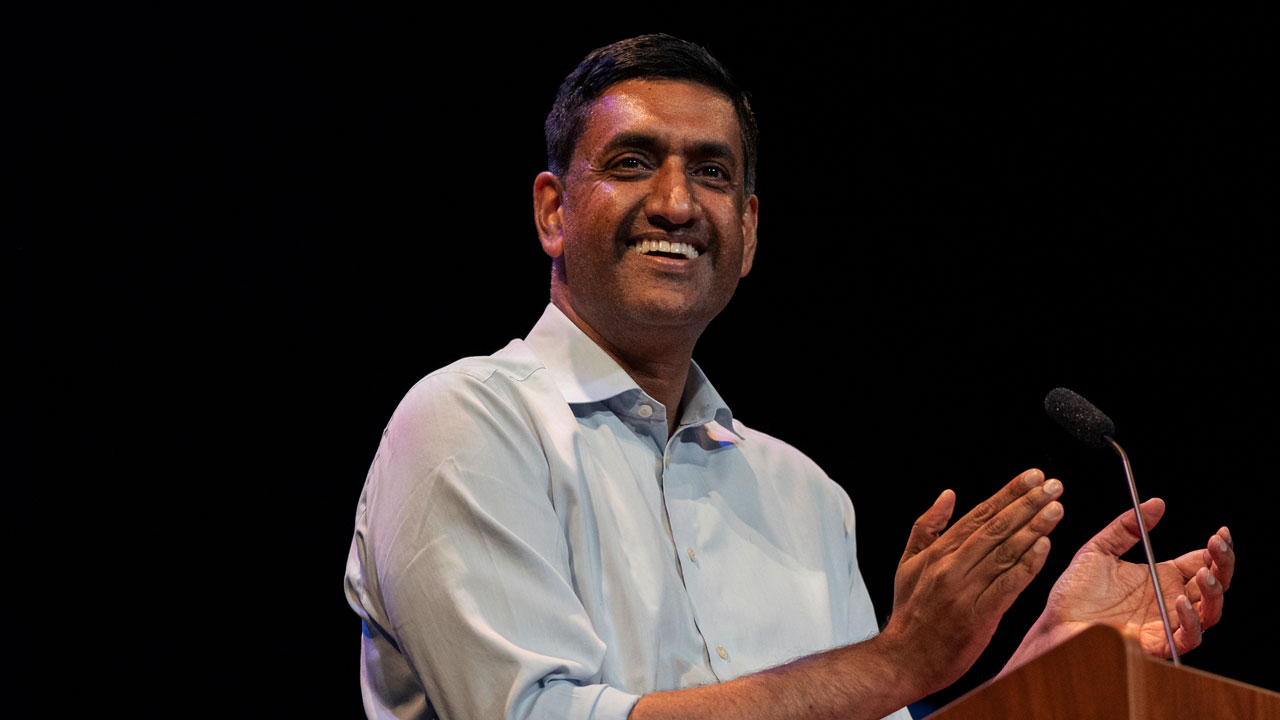
Democrat Rep. Ro Khanna looked at Tuesday night’s election results and declared that “DEI is back.”
Not affordability. Not safer streets.
Not peace. Not government accountability.
DEI.
Khanna posted a celebratory video Wednesday after Democrats captured the House and Senate and won a string of high-profile races across the country.
In the video, Khanna celebrated what he described as three likely Black governors, the first Latina governor of Texas, the first Muslim American senator and the first openly gay senator.
“Tonight, DEI is back as America celebrated diversity and inclusion,” he said.
The line came from a sitting member of Congress who is frequently mentioned as a national Democratic figure.
Townhall reported that Khanna tied his declaration directly to the identities of Tuesday night’s winners. The report also noted that Democrats’ new congressional power is likely to be used first against President Trump through investigations, oversight fights and resistance to his agenda.
Khanna’s list included three likely Black governors, a Latina elected governor in Texas, a Muslim elected to the Senate and an openly gay senator. He explicitly branded their victories as the return of DEI.
That political framework assigns institutional importance to race, sex and other group identities across hiring, education, contracting and public policy.
The report placed that celebration against a looming policy fight. President Trump spent his first two years cutting federal diversity programs.
Democrats now control the committees that can summon administration officials, demand documents and stage hearings designed to challenge those changes. Khanna’s short video therefore carried a much larger message about the direction of his party.
Committee control will let Democrats turn that message into a sustained national campaign, even when President Trump blocks their bills.
Americans should pay attention to both parts of that message.
Democrats are not treating the election as a narrow warning about prices, gasoline or the war with Iran. Progressive leaders are already interpreting it as permission to revive the identity-first agenda voters were told had been retired.
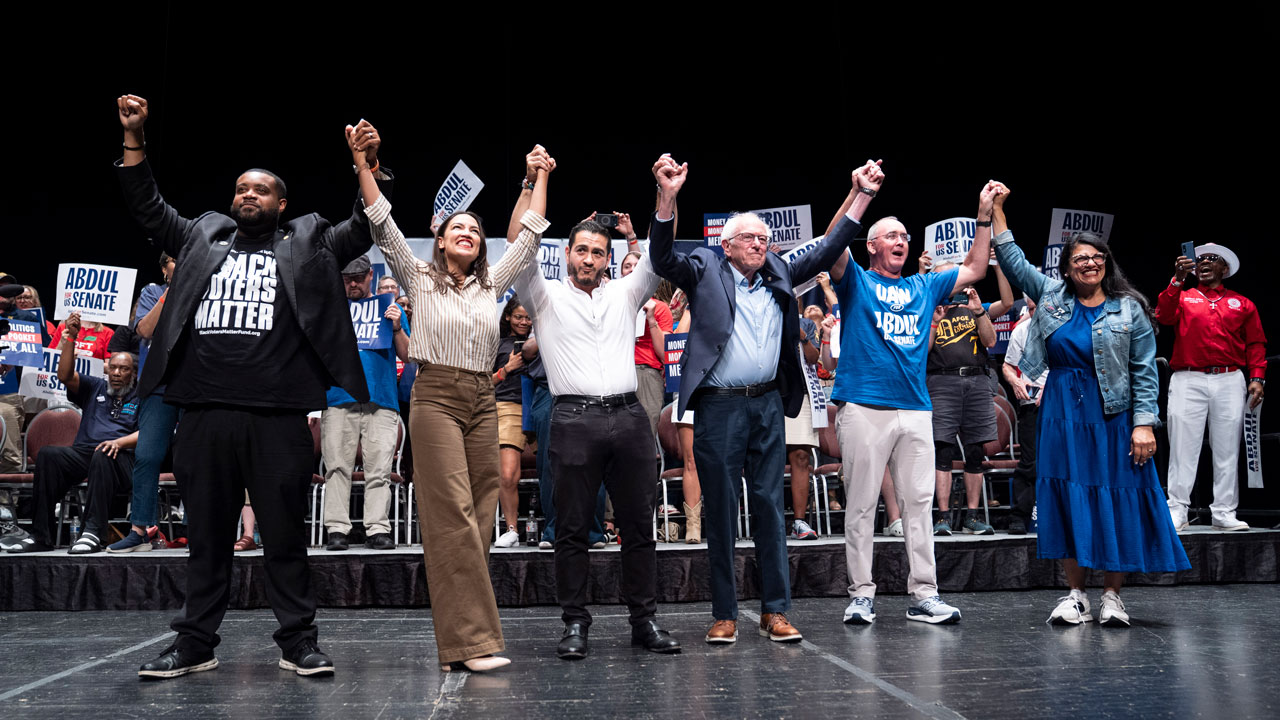
One of the night’s biggest Democratic victories came in Michigan, where Abdul El-Sayed was elected to the United States Senate.
The reaction from the progressive press was not subtle. It was triumphal.
El-Sayed’s religion should neither qualify nor disqualify him for office. The same is true of every candidate’s race, sex or sexual orientation.
That used to be the American standard: judge the candidate by character, competence and policy.
DEI ideology moves in the opposite direction. It elevates group identity into a political credential and then treats equal treatment as an obstacle to be overcome.
The Associated Press reported Wednesday that Democrats’ midterm sweep ended unified Republican control in Washington. The report also described President Trump acknowledging that the Iran conflict hurt Republicans while saying he remains prepared to use his veto against legislation he considers unacceptable.
The results produced a dramatically different balance of power. Democrats gained the congressional majorities needed to control hearings, investigations and the legislative calendar, but President Trump retained the veto and the executive branch.
The AP’s live report also captured the Republican reckoning already underway. Vice President JD Vance blamed the Iran war for the losses, while House Speaker Mike Johnson declined to seek another term as speaker.
That combination guarantees confrontation. Democrats can pass bills and force politically damaging votes, while the president can reject legislation that reaches his desk.
Neither side can govern alone. Congressional control still gives Democrats multiple ways to slow the administration and amplify their priorities before the 2028 presidential race.
That means the next two years will be divided government, with the White House serving as a check on the new Democratic Congress.
But control of Congress gives Democrats subpoena power, committee gavels and a platform from which to normalize policies they could not enact during Republican control.
Khanna’s declaration tells voters exactly how at least one influential Democrat reads the mandate.
Michigan's Democratic candidate for Senate Abdul El-Sayed confronted @jamesmatthewsky, telling him he wouldn't answer his questions as he wants "zero" votes in the UK.
Watch the heated exchange between the two.
Watch our live coverage of the US midterms… pic.twitter.com/qWAodH1qrf
— Sky News (@SkyNews) November 3, 2026
There is another problem for Democrats in this victory lap.
Voters can reject Republican performance without endorsing every item on the progressive wish list. Elections are often a judgment on the party in power, especially when families are angry about prices, war or chaos in Washington.
Even some critics responding to Khanna’s post argued that the results were a protest vote, not a public demand for a DEI restoration.
That distinction matters.
President Trump spent his first two years dismantling federal DEI programs and restoring merit-based standards across the government. Democrats now have an incentive to repackage the same ideology under softer language while using congressional power to attack the administration’s reforms.
Republicans should not panic, and they should not ignore the voters’ message.
They should fix what failed, defend equal treatment and force Democrats to put their identity-based agenda on the record.
Khanna already did.
“DEI is back” may have been intended as a celebration. It may also become one of the clearest warnings of what Democrats plan to do with their new power.
The post Democrat Rep. Ro Khanna Declares ‘DEI Is Back’ After Midterm Sweep appeared first on 100PercentFedUp.com.
Continue reading...
[H/T 100PercentFedUp]


