








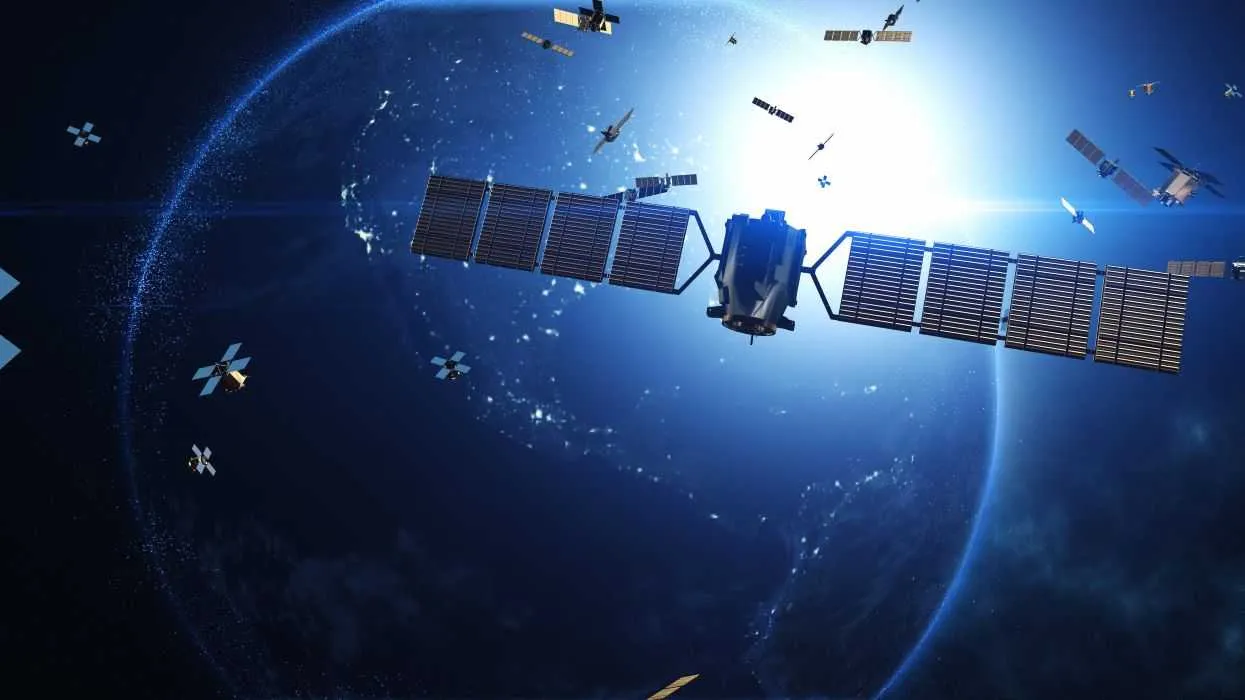
AT&T, Verizon, and T-Mobile have dominated the mobile carrier space for decades. While smaller MVNOs pop up from time to time, even these rent their service from the Big Three. Rarely does an entirely new carrier show up to challenge the status quo, but that’s exactly what SpaceX plans to do with its upcoming mobile carrier alternative.
Elon Musk is a man of many companies. At age 24, he co-founded his first venture, called Zip2. Similar to the Yellow Pages phone books of yesteryear, it used the brand-new internet of 1995 to create a directory that made it easier for users to search for and find local businesses online. While it doesn’t sound impressive by today’s standards, the company caught the attention of computer heavyweight Compaq, which acquired it for $305 million before the new millennium.
After decades of dominance by AT&T, Verizon, and T-Mobile, it’s good that consumers may finally have a fourth viable carrier.
Musk has been building things ever since. He went on to co-found popular payment company PayPal, artificial intelligence giant OpenAI, automotive phenom Tesla, and spacefaring juggernaut SpaceX, among other smaller ventures. Needless to say, the man has a very diverse resume stacked with names that all changed society.
SpaceX, in particular, has been one of Musk’s more flexible companies, serving as a catch-all for various sub-brands and services, like the artificial intelligence company SpaceXSI (formerly SpaceXAI, and simply xAI before that) that powers Grok, national security service Starshield, and a low-Earth-orbit satellite internet provider, Starlink.
Starlink has already proven to be a reliable internet service provider, even in hard-to-reach locales like Antarctica and, one day, maybe even Mars. Up until recently, Starlink only had authorization to provide high-speed broadband internet to users, but now the service is poised to expand.
In a blog post on the SpaceX website, the company unveiled two major milestones for a new venture dubbed Starlink Mobile.
In other words, SpaceX is on the cusp of launching a full-fledged satellite-based mobile carrier service for phones. The only thing standing in the way is official FCC approval. Luckily, we won’t have to wait long, as the FCC is expected to vote on the matter on October 29.
As for the second milestone:
Historically, the 2 GHz spectrum is reserved for connections that require long range and permeability through hard surfaces, making it extremely versatile for a wide range of applications. Since it excels at passing through walls, Starlink Mobile should theoretically be more stable in areas that usually trip up existing carriers, like underground spaces boxed in by concrete, valleys surrounded by steep hills, large structural buildings with lots of metal, and more.
RELATED: Starlink needs a reality check
Meanwhile, the fact that Starlink Mobile is supported by Musk’s Starlink satellite network should allow the carrier to cover larger regions with fewer drops in service, and it should also work internationally in any region that allows Starlink to operate. For now, that includes most of the United States, South America, Europe, Australia, and more.
Of course, all of this remains to be seen. Starlink is a well-tested service, having been around since 2018, but that doesn’t automatically mean the cellphone carrier will be just as good. Call quality, signal strength, and random drops will all need to be tested before Starlink Mobile is deemed a success.
Starlink’s internet service is also generally more expensive than other brands, so Starlink Mobile will need to find a competitive pricing model if it really wants to go against the Big Three.
Ultimately, after decades of dominance by AT&T, Verizon, and T-Mobile, it’s good that consumers may finally have a fourth viable carrier that doesn’t reuse the same old towers or recycle the same technologies found here on Earth.
Starlink and Starlink Mobile are just two of Elon Musk’s extraterrestrial business ventures. Earlier this year, he announced broader plans to put a city on the moon that will serve as a hub to launch Earth-orbiting data centers and even launch rockets bound for Mars.
Like Blaze News? Bypass the censors, sign up for our newsletters, and get stories like this direct to your inbox. Sign up here!
Continue reading...
[H/T Blaze Media]