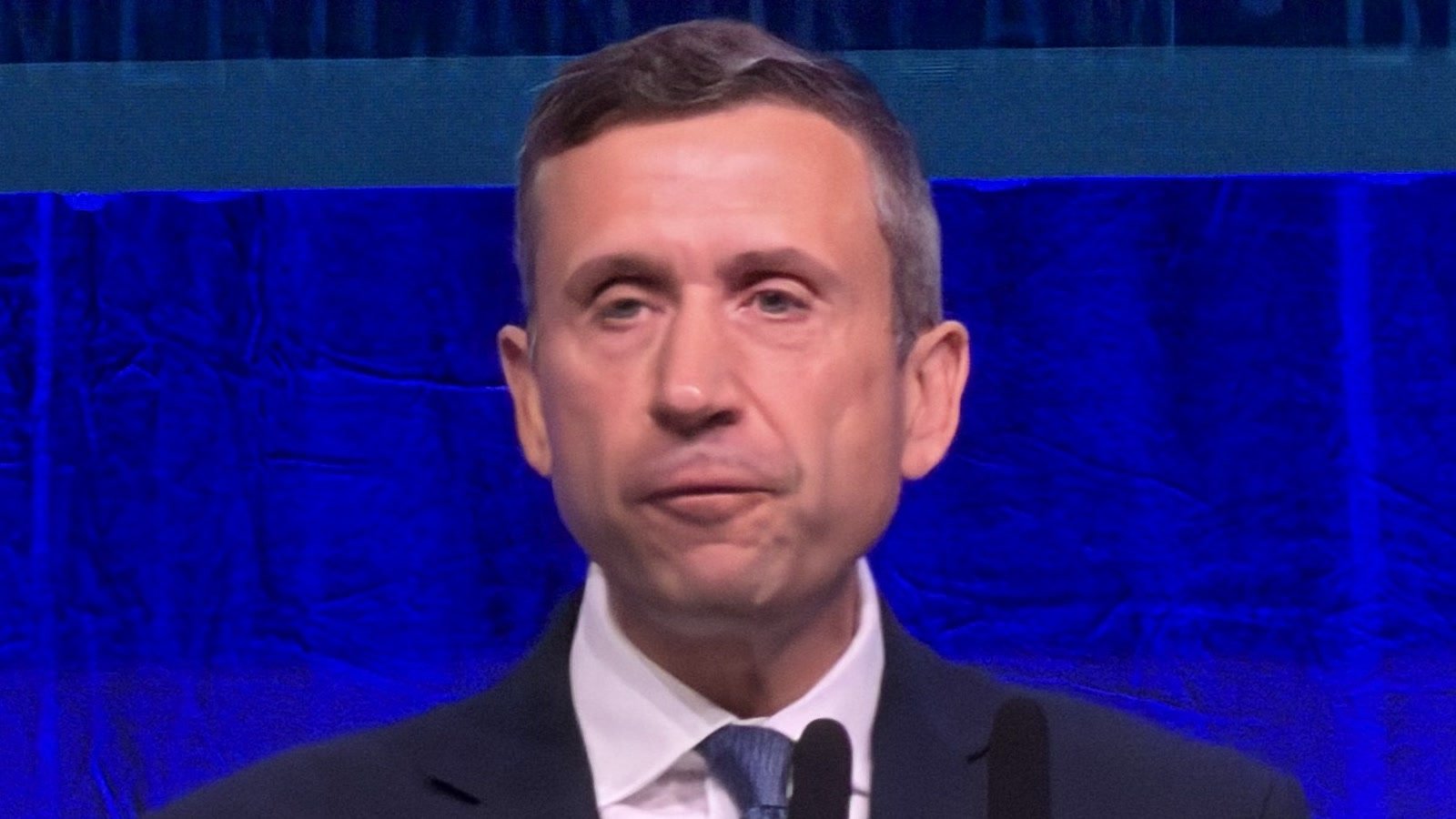



Tyson Fury has disclosed that he was diagnosed with schizophrenia, adding a major new detail to the former heavyweight champion’s long-running public account of his mental health struggles.
Fury says the diagnosis came after the spectacular 2015 victory over Wladimir Klitschko that made him the unified heavyweight champion of the world.
What looked from the outside like the summit of his career was, by Fury’s account, the beginning of an intensely frightening collapse behind closed doors.
The Trending Politics News report says Fury discusses both schizophrenia and bipolar disorder in the forthcoming Netflix documentary Tyson Fury. The film revisits the period after the Klitschko win, when the public saw a newly crowned champion while Fury and his family were confronting severe anxiety, depression, substance abuse, and disturbing psychological symptoms.
The report says Fury began waking during the night in crippling fear and eventually sought help from a psychiatrist in London. It also describes how Paris Fury and Fury’s father, John, appear in the documentary to explain what the crisis looked like to the family around him.
That family testimony matters because Fury’s decline unfolded largely outside public view while boxing fans expected him to prepare for a championship rematch. The title victory that was supposed to complete his dream instead preceded his withdrawal from competition and a long fight to regain stability.
Fury has spoken for years about depression and bipolar disorder, but the schizophrenia diagnosis had not previously been central to his public story.
That distinction makes this disclosure significant.
In a first-person interview with The Guardian, Fury described hearing frightening voices after becoming champion and feeling as though he had lost control of his life. He said alcohol, drugs, and comfort eating compounded the crisis before he finally sought specialist help.
Fury recalled having no desire to celebrate the Klitschko victory and warning Paris that life would go downhill from there. He said people around him kept focusing on a rematch while he believed he needed a hospital rather than another boxing ring.
Fury summarized the period in stark terms: “Words can’t explain the darkness I was in.”
He said the voices and fear became so overwhelming that even leaving the house could terrify his wife, Paris, who worried he might harm himself.
The fighter later visited a psychiatrist in London and says he was diagnosed with schizophrenia and bipolar disorder.
Schizophrenia is not a synonym for violence or a “split personality.”
The National Institute of Mental Health describes it as a serious mental illness that can affect how a person thinks, feels, and behaves, including through hallucinations, delusions, disorganized thought, and reduced motivation or emotional expression. Symptoms and treatment needs vary from person to person.
Effective care can include medication, psychosocial treatment, education, and coordinated support tailored to the individual.
Fury’s disclosure is his own account of a diagnosis made by medical professionals. It should not be treated as an invitation for outsiders to diagnose him, speculate about his care, or reduce everything he has done to a medical label.
The more important point is the contrast he is drawing: championship belts, fame, money, and public celebration offered no immunity from serious illness.
The timing could hardly be more dramatic.
Netflix says Tyson Fury premieres November 27, exactly two weeks before Fury is scheduled to face Anthony Joshua in Cardiff on December 11. The 105-minute film follows his childhood, rise to the heavyweight title, collapse, recovery, and return to boxing, with candid interviews from Fury, Paris, and his father, John.
The documentary does not present the mental health story as a side note to the boxing career.
It presents the two as inseparable.
After beating Klitschko, Fury vacated his titles and spent nearly three years away from the ring. He eventually returned, fought Deontay Wilder in a memorable trilogy, regained heavyweight gold, and remained one of boxing’s biggest attractions through two losses to Oleksandr Usyk in 2024.
Now he is preparing for the long-awaited all-British showdown with Joshua while offering the public a much more personal explanation of what happened after his first ascent to the top.
There is an obvious temptation to view every Fury revelation through the lens of the next fight.
But this one reaches beyond promotion.
Fury has spent much of the past decade urging people in crisis to seek help, often pointing to his own comeback as proof that a person’s lowest point does not have to be the end of the story.
His newest disclosure also challenges a familiar myth about success: that reaching the goal should automatically make everything inside a person fall into place.
For Fury, the opposite happened.
He reached the pinnacle of boxing, then found himself fighting a battle that no belt, payday, or roaring crowd could resolve.
The fact that he returned to the ring is remarkable.
The fact that he is willing to name what he says he endured may matter even more to people facing the same darkness in private.
Your thoughts?
Continue reading...
[ H/T WLT Report ]