






A House of Representatives panel advanced a bipartisan bill requiring large-load users such as data centers to cover the costs of grid upgrades and other energy system upgrades, a measure meant to ease the growing public opposition toward facilities that support artificial intelligence.
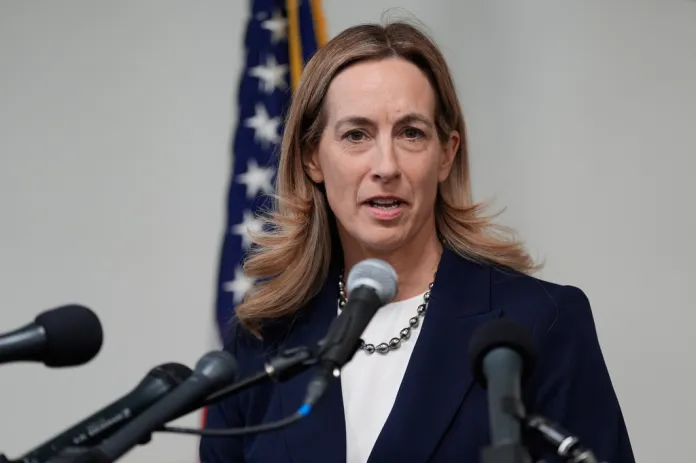
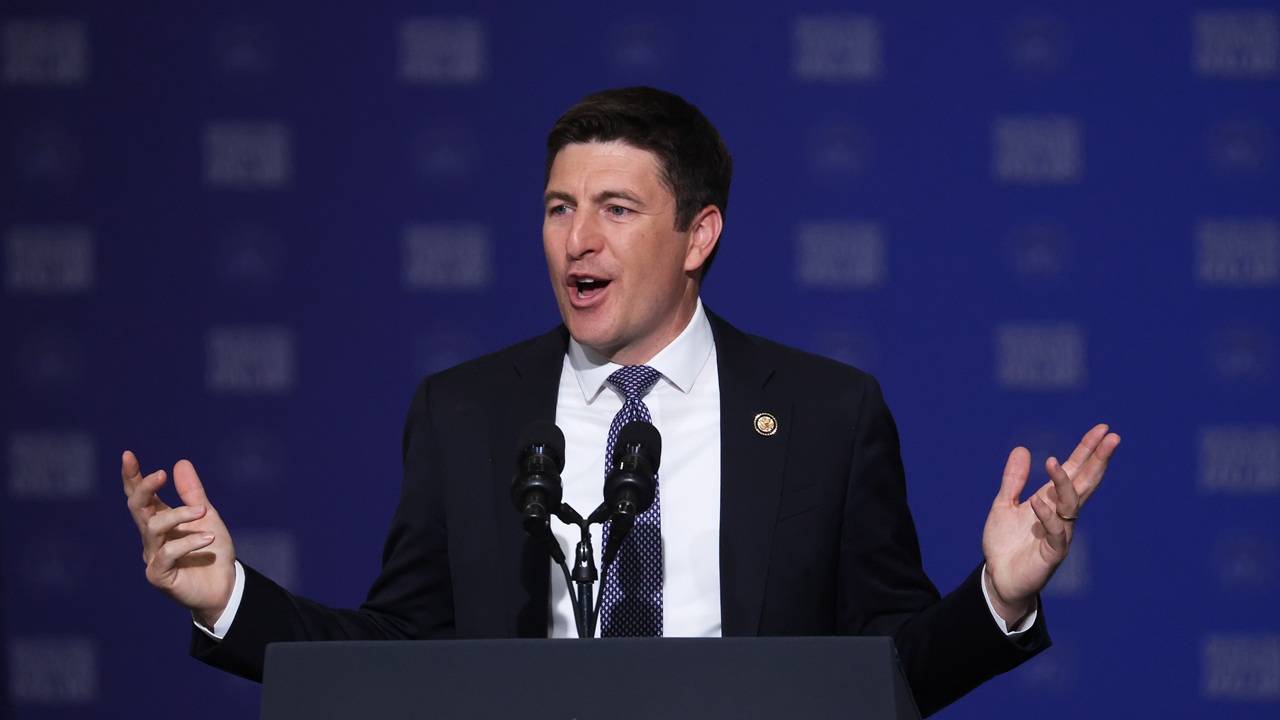
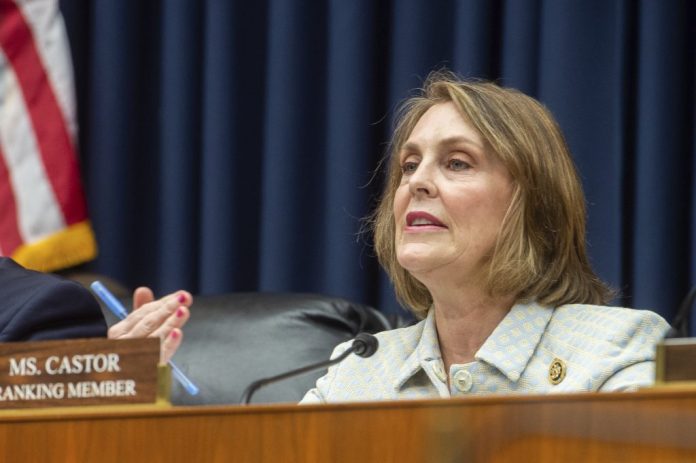
The House Energy and Commerce Committee on Tuesday unanimously voted to approve the Ratepayer Protection Act, introduced by Reps. Kathy Castor of (D-FL) and Gabe Evans (R-CO). It would require state regulators to create standards for new data centers and hyperscalers that consume over 100 megawatts of electricity to cover the costs of new generation, transmission, and infrastructure upgrades.
“Large data centers can cover the full incremental cost of any generation, transmission, or distribution upgrades needed to meet their high energy demand,” Evans said.
“This bill does not impose a federal mandate,” he said. “Instead, it offers a thoughtful federal standard for states to consider as they evaluate how best to integrate large loads.”
Data centers are expected to account for about 20% of the U.S. electricity consumption in 2035, up from 5.9%, according to BloombergNEF.
Although the bill has bipartisan support, Democrats have said that it does not address all of the problems created by data centers.
Rep. Diana DeGette (D-CO) noted that the bill fails to address data center water consumption, citing that Colorado and much of the West face droughts.
“As we’re looking at how we’re going to manage data centers in the vast stretches of the western United States, water is going to be the key component, and we need to think about that beforehand,” DeGette said.
Data centers use an extensive amount of water for their cooling systems. On average, a large data center can use an estimated 5 million gallons of water per day.
Some lawmakers have called for a national moratorium on data centers. Last month, committee ranking member Frank Pallone (D-NJ) did so, making him the highest-ranked Democrat to support a nationwide ban on data centers.
Others who have called for a moratorium include Rep. Alexandria Ocasio-Cortez (D-NY) and Sen. Bernie Sanders (I-VT), who introduced a bill in March to pause new data center development as lawmakers work on regulations for artificial intelligence.
Communities across the country have pushed against the development of data centers in their cities or towns, citing fear about energy costs, water supply, and noise pollution. A Gallup poll conducted in early March found that 7 out of 10 people oppose constructing data centers for AI in their area, with 48% strongly opposed.
A companion bill was introduced on Monday by Sen. John Husted (R-OH).
“If America wants to lead the world in AI and strengthen our national security, we have to build the energy infrastructure to support it,” Husted said in a press release. “But we must do that without passing the costs on to working families and small businesses.
“The Ratepayer Protection Act would keep America globally competitive while protecting Ohioans and Americans from higher electricity bills,” he wrote.
DEMOCRATS LEAD OPPOSITION TO DATA CENTERS, THROUGH POPULARITY IS LOW ACROSS THE POLITICAL SPECTRUM: POLL
The legislation is similar to the White House’s March ratepayer protection pledge in March. Through the pledge, tech giants such as Google, Microsoft, and Amazon vowed to secure their own power when constructing data centers.
The Trump administration, along with Republican lawmakers, has supported the rapid growth of data centers, arguing that they are necessary to advance AI and compete with China. The Trump administration is reportedly seeking to expand its pledge to utility companies, data center developers, and governors. The Washington Examiner reported last week that at least 23 states have signed onto the pledge, according to a source familiar with the plan.
Continue reading...
[ H/T Washington Examiner ]