
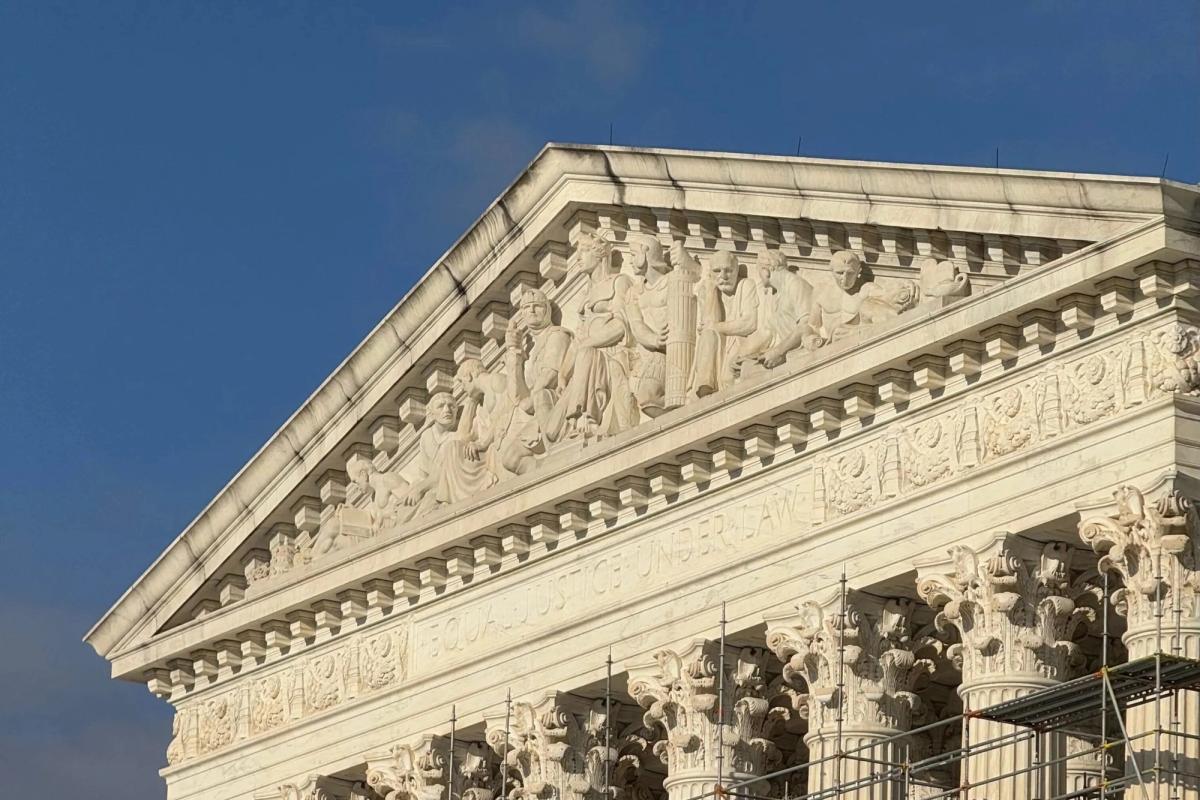
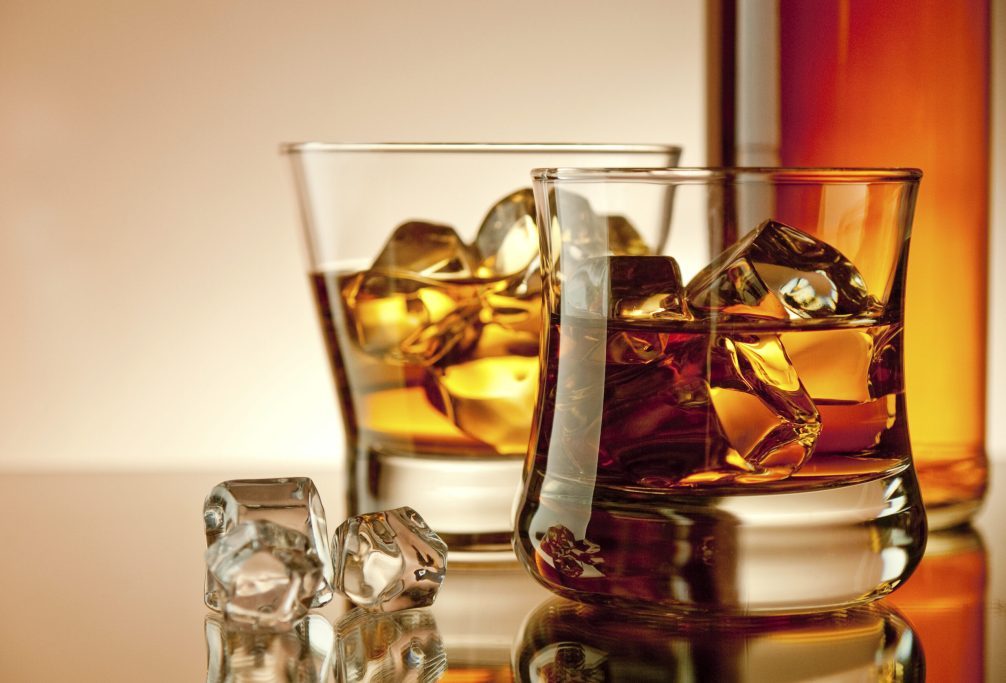
I’ve brewed beer in my garage, and Washington never objected. Had I added a still and made whiskey, the same government could have fined me up to $10,000 and jailed me for up to five years. On Oct. 19, the Supreme Court agreed to decide whether Congress may impose that rule, in Department of Justice v. McNutt. I say it may not. Congress can tax whiskey, but the taxing power doesn’t come with a key to the family garage.
My brewing career was short. Once I priced my time, supplies, and cleanup, the six-pack at the liquor store won. What I kept was the satisfaction of making something myself. Washington treats that hobby kindly. An adult may brew up to 100 gallons of beer a year for personal use without federal tax, and a household with two or more adults may brew 200.
Spirits get harsher treatment. An 1868 law first barred stills from dwellings and their attached sheds and yards, and 26 U.S.C. § 5178 still bars a distilled spirits plant “in any dwelling house, in any shed, yard, or inclosure connected with any dwelling house.” The base tax is $13.50 per proof gallon, with lower rates for small producers, and it applies the moment the spirit exists.
The Justice Department says home stills are harder to inspect, so Congress may require production where officials can watch. Its petition says Congress acted “160 years ago in response to an extensive history of evasion.” In April, the 5th Circuit held the ban invalid. Eleven days later, a divided 6th Circuit upheld it in a separate case. Both courts agreed the taxing clause alone couldn’t support the ban, so the fight is over the necessary and proper clause.
Scott McNutt, the lead respondent, got a 2014 notice from the Alcohol and Tobacco Tax and Trade Bureau warning of possible civil and criminal liability. In November 2023, the agency told his lawyers that home distilling is illegal and that it wouldn’t consider a permit.
Chief Justice John Marshall set the test in McCulloch v. Maryland. Congress’s means must be “plainly adapted” to a legitimate end, and he warned against laws passed “under the pretext of executing its powers” to reach “objects not intrusted to the Government.” Thirty years in finance taught me that you collect a tax by watching the transaction. A ban collects nothing. The 5th Circuit found that the provisions “tax nothing” and “operate to reduce revenue instead of raising it,” and that existing licensing and regulatory rules can serve the tax without them.
Anyone who has coached youth sports knows a rule needs a limit you can say out loud. The 5th Circuit found none, warning that under the government’s logic, “Congress may criminalize nearly any at-home conduct only because it has the possibility of concealing taxable activity.” A home bakery, garage woodshop, or knitting corner would qualify.
Enforcement is another matter. The 6th Circuit said the ban “apparently has not been enforced in court for a long while,” yet the government “conspicuously declined to disavow enforcement of the ban.” A rule the government won’t promise to leave alone stays a standing threat.
George Thorogood’s “One Bourbon, One Scotch, One Beer” orders three drinks. (He never says which he made in the garage.) Congress taxes all three. Make the beer at home, and Washington shrugs. Make the bourbon or the scotch, and you face up to five years. The origin is mundane. In 1868, tax evasion by distillers was a genuine problem, and a ban cost less than a corps of inspectors.
The government has a fair point. Hidden stills are harder to inspect, and the revenue can be real. The high court could rule narrowly, since the grant itself decides nothing about the merits, and the 5th Circuit never reached the commerce clause because the government didn’t press it on appeal.
Still, a real concern can’t stretch an enumerated power. Beer shows that Congress can tax a product without banning it at home, and safety belongs to the states.
TRUMP’S FORMER LABOR CHIEF BETRAYED YOU FOR MEXICAN BEER. NOW, EXPECT A DEMOCRATIC MIDTERM BLOWOUT
My fix has two parts. The Supreme Court should hold that a law is necessary and proper under the taxing power only if it helps collect the tax, which leaves Congress free to require licensing and inspection. Congress should then adopt a personal-use rule for spirits modeled on the beer exemption, with an annual cap and no sales.
The court will likely hear arguments early next year and decide by late June or early July. I’ll probably keep buying six packs for now. Whether someone can make a bottle in their own garage shouldn’t depend on what the Treasury finds convenient. The government gets its tax. The garage stays mine.
Jay Rogers is a financial professional with more than 30 years of experience in private equity, private credit, hedge funds, and wealth management. He has a Bachelor of Science in criminal justice from Northeastern University and has completed postgraduate studies at UCLA, the University of Pennsylvania, and Harvard. He writes about issues in finance, constitutional law, national security, human nature, and public policy.
Continue reading...
[ H/T Washington Examiner ]