




I have always detested religious prejudice, whether directed at Methodists, Mormons, Muslims, or anyone else. I don’t know why it bothers me so much. Perhaps it has to do with my own background, Ulster Catholic on one side and Scots Presbyterian on the other, a combination that (trust me on this) gives you an exceptionally keen nose for sectarianism. Or perhaps it has to do with an understanding of where religious bigotry can lead.
Arguments about religion, after all, are not like arguments over immigration policy or healthcare. They are literally disagreements about the most important things in the universe. That is why we have learned, in modern democracies, to conduct them carefully.
We know how easily religious intolerance can lead to war and repression, for that has been the story of human civilization. Down the centuries, faith was enforced through fear of fire and faggot. The arguments might have been metaphysical in origin, but they were horribly physical in effect. As the great Whig historian Lord Macaulay put it in 1848, “The experience of many ages proves that men may be ready to fight to the death, and to persecute without pity, for a religion whose creed they do not understand, and whose precepts they habitually disobey.”
All these things make me weirdly sympathetic to Sen.-elect Abdul el Sayed (D-MI). I say “weirdly” because, as a small-government conservative who believes in an effective police force and in secure borders, I disagree with almost all his policy stances. But there is one thing he says that I find important, underrated, and rather beautiful. Whenever he is asked about sharia law or Islamic scriptures, he responds that the text that really matters is the U.S. Constitution.
It is difficult, at this distance in time, to appreciate how extraordinary the achievement of the founders was in building a state with genuine religious pluralism. I am not talking about religious toleration. That had happened in lots of places, including the Ottoman Empire. No, I mean the freedom for all sects to proselytize on an equal footing. That was something quite new, and all the more impressive when we bear in mind the fervor of popular anti-Catholicism that had fueled the Revolution in the first place.
That settlement relies on more than the Constitution. It depends, too, on a certain self-restraint from citizens. Any religious beliefs, when stated out of context, can be made to sound crazy. To avoid constant conflict, we learn from childhood to treat other faiths with courtesy and respect.
The prejudice against Islam recalls the earlier anti-Catholicism and, indeed, antisemitism. Adherents are painted as anti-American, unassimilable, agents of a foreign power, apologists for violence. Consider the accusations made against el Sayed. His Republican opponent in the Michigan Senate race, the dim-witted Mike Rogers, declared, “Never in a million years did I think that I would be running against someone who believes America deserved 9/11.”
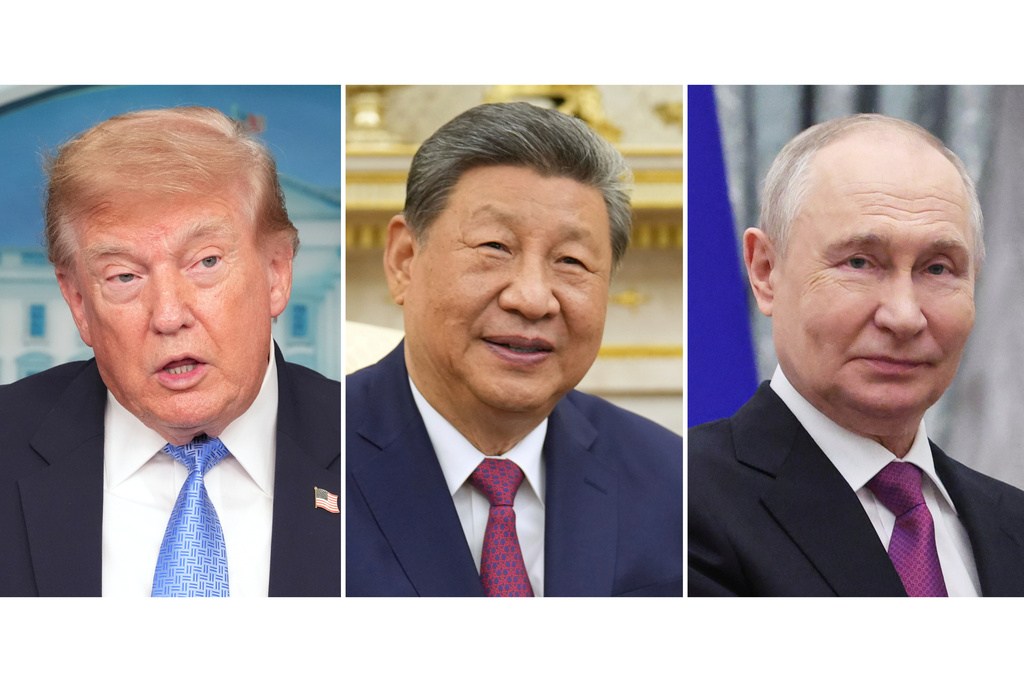
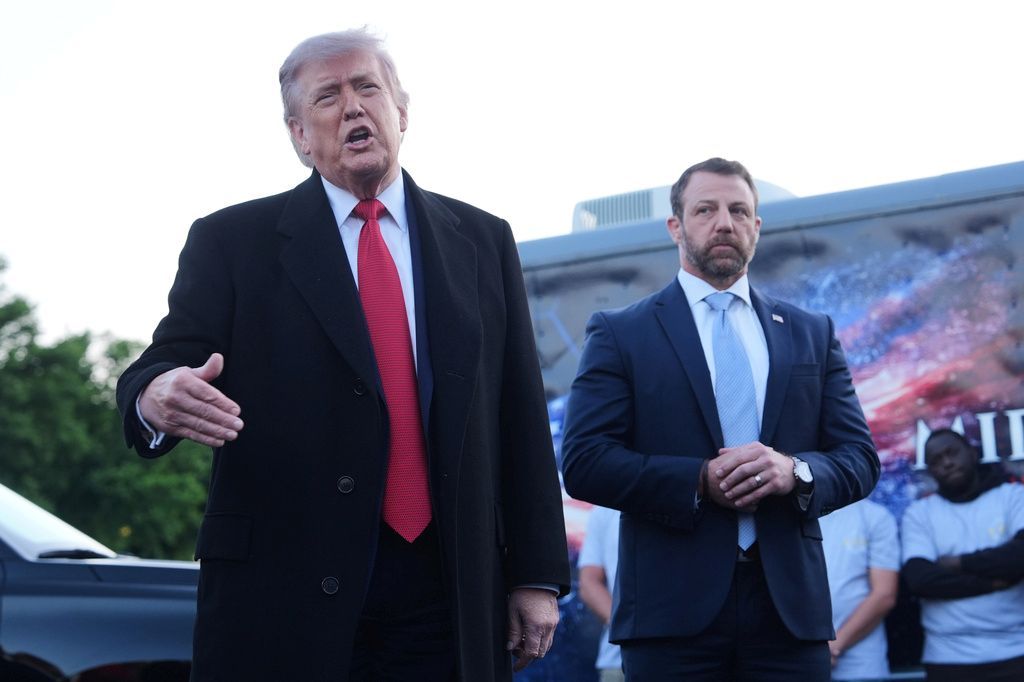
Sen. Tommy Tuberville (R-AL) called him a “TERRORIST” and a “RADICAL ISLAMIST.” Donald Trump himself called him “a jihadist Muslim Brotherhood member.” These attacks are not just untrue; they take a sledgehammer to the idea of mutual tolerance, which lies behind the success of the U.S. as a multi-faith republic.
Neither el Sayed nor any other Muslim American should be expected to go around constantly reassuring people that he is not a jihadi, any more than Jewish Americans should have to explain that they personally do not approve of Israeli soldiers taking a sledgehammer to a crucifix in a Lebanese church. Some things ought to go without saying. El Sayed is a physician with an entertaining sense of humor who likes meatloaf and captained his high school football team. Sure, he is wrong about a lot of things, but that doesn’t make him a foreign agent.
AMERICA DOES THE RIGHT THING AFTER EXHAUSTING EVERY OTHER OPTION
Indeed, it is striking that some of the strongest criticism of him has come from the more pinched and intolerant Muslims. The unpleasant British campaign group, 5 Pillars, criticized him last week for attending a Hindu festival — again reminding us of how dangerous it is when we rip away the layers of courtesy and respect that have allowed us to live together.
By all means, have a go at el Sayed’s nuttier positions. Criticize his socialist economics, his views on Gaza, his soft spot for Hasan Piker. That is what healthy democratic politics is all about. If, though, you cross into arguing that his name, his religion, or his background are the real problem, that they somehow make him a jihadi or a supporter of religious violence, that he has no business being in the Senate, then he is not the one who is being un-American.
Continue reading...
[ H/T Washington Examiner ]